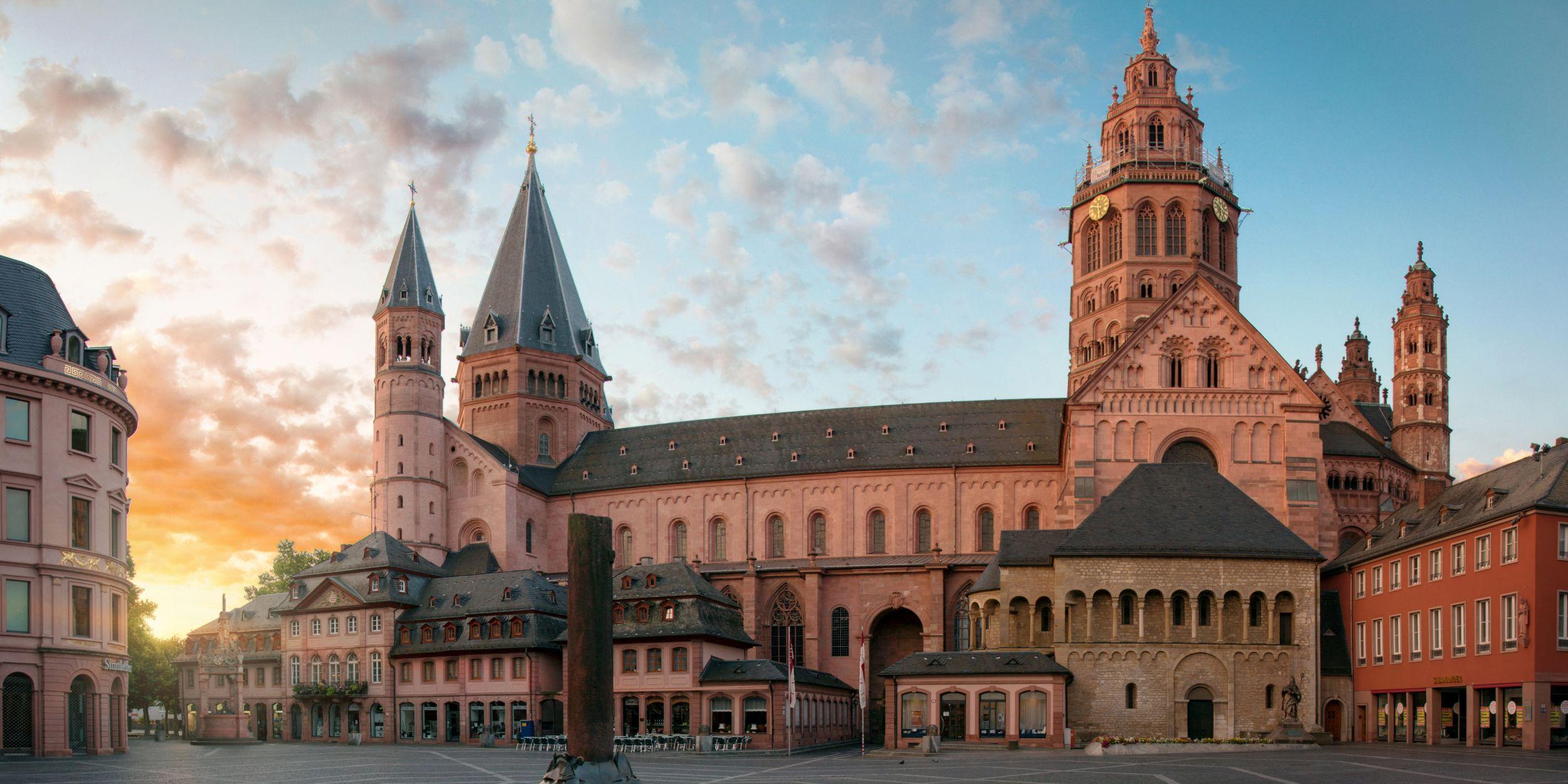
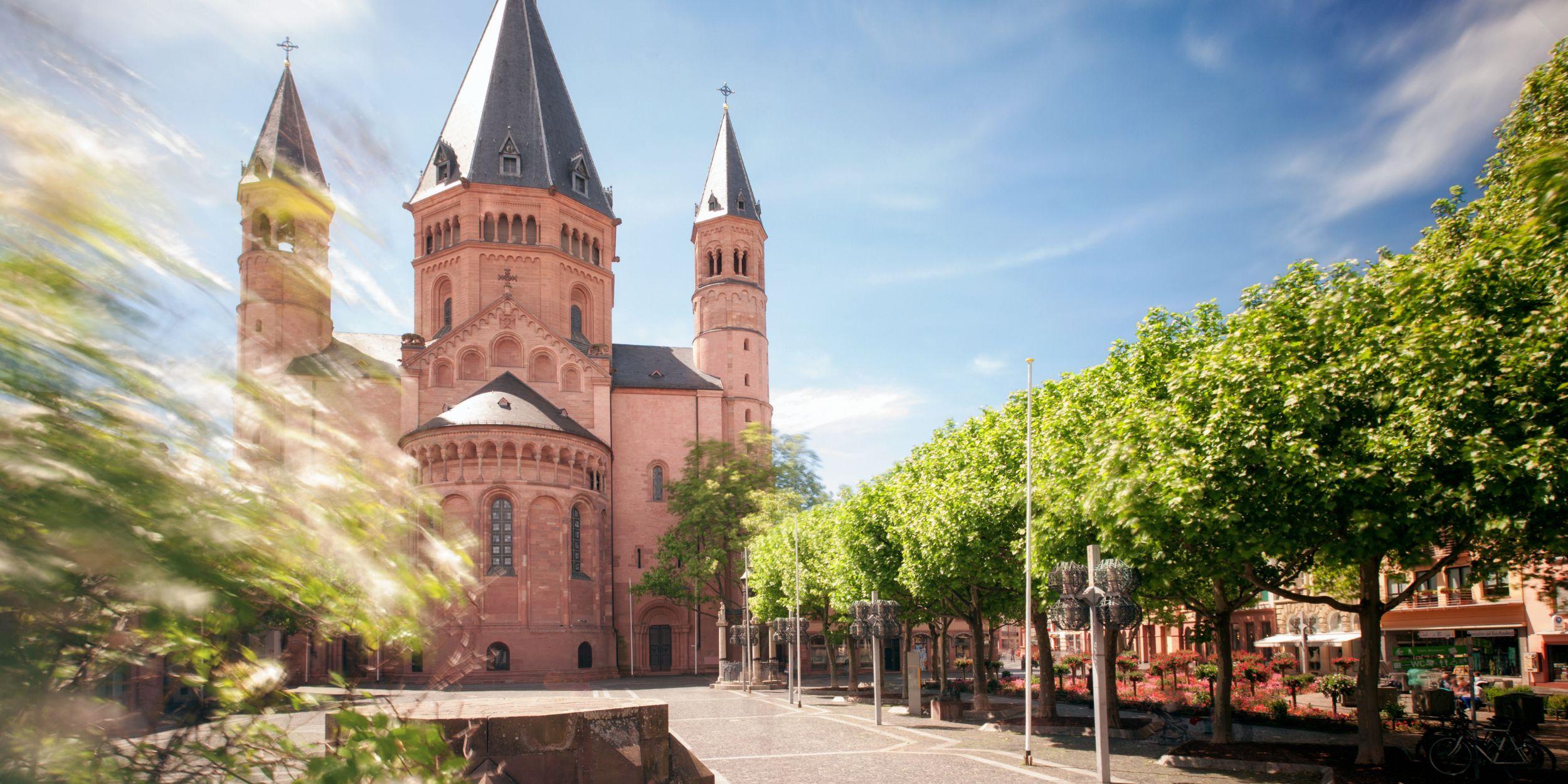
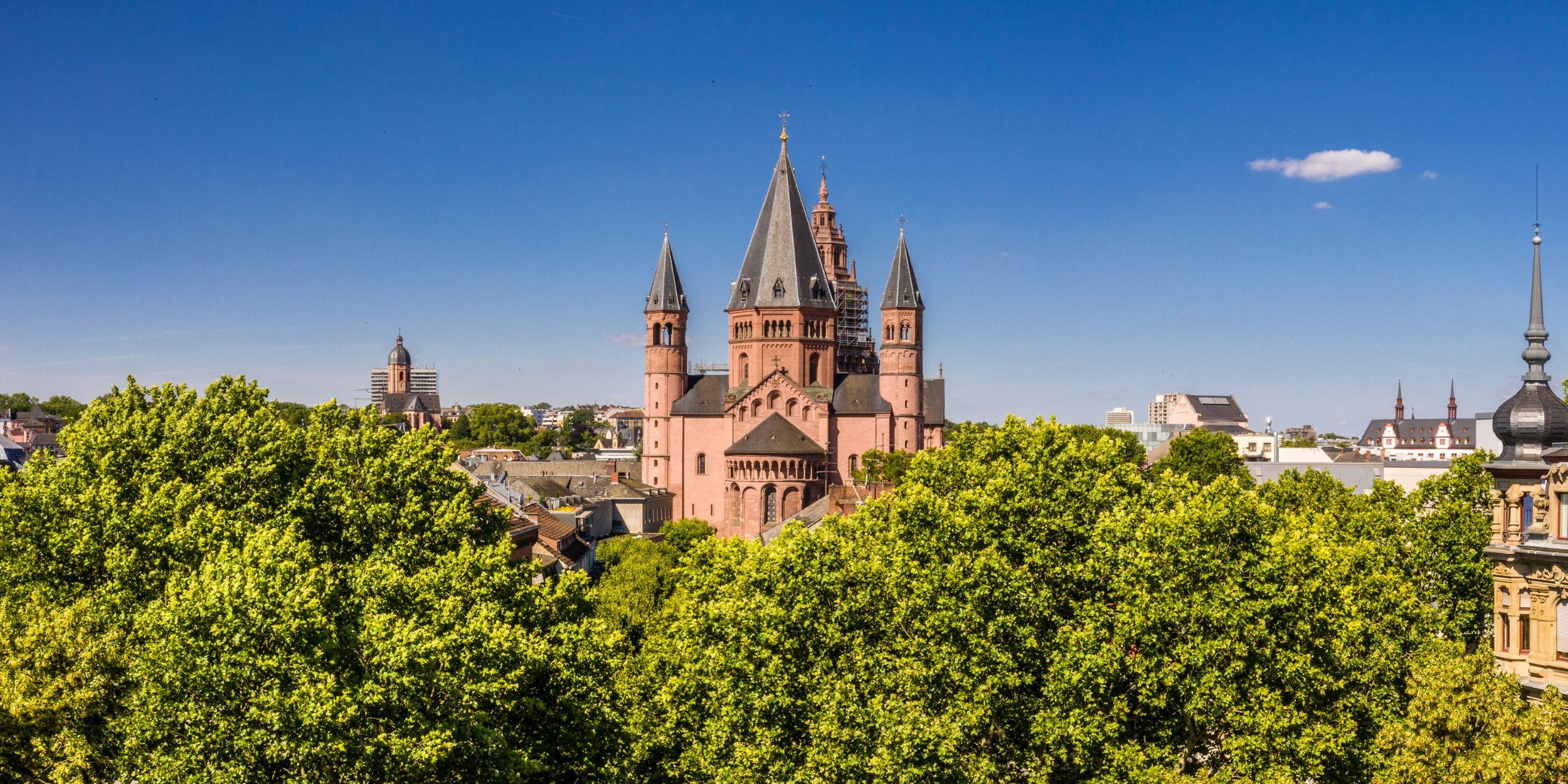
The Mainz Cathedral has experienced a lot in its more than 1,000 years. At the junction of significant trade and traffic routes, the city developed into a religious center north of the Alps and received the honorary title "Holy See."
Archbishop Willigis had the cathedral built from 975 based on the model of the old St. Peter's Basilica in Rome. However, the first grand celebration ended differently than planned: On the day of the consecration in the year 1009, a fire broke out and destroyed the new building. It was not until 1036 that the cathedral could be used again.
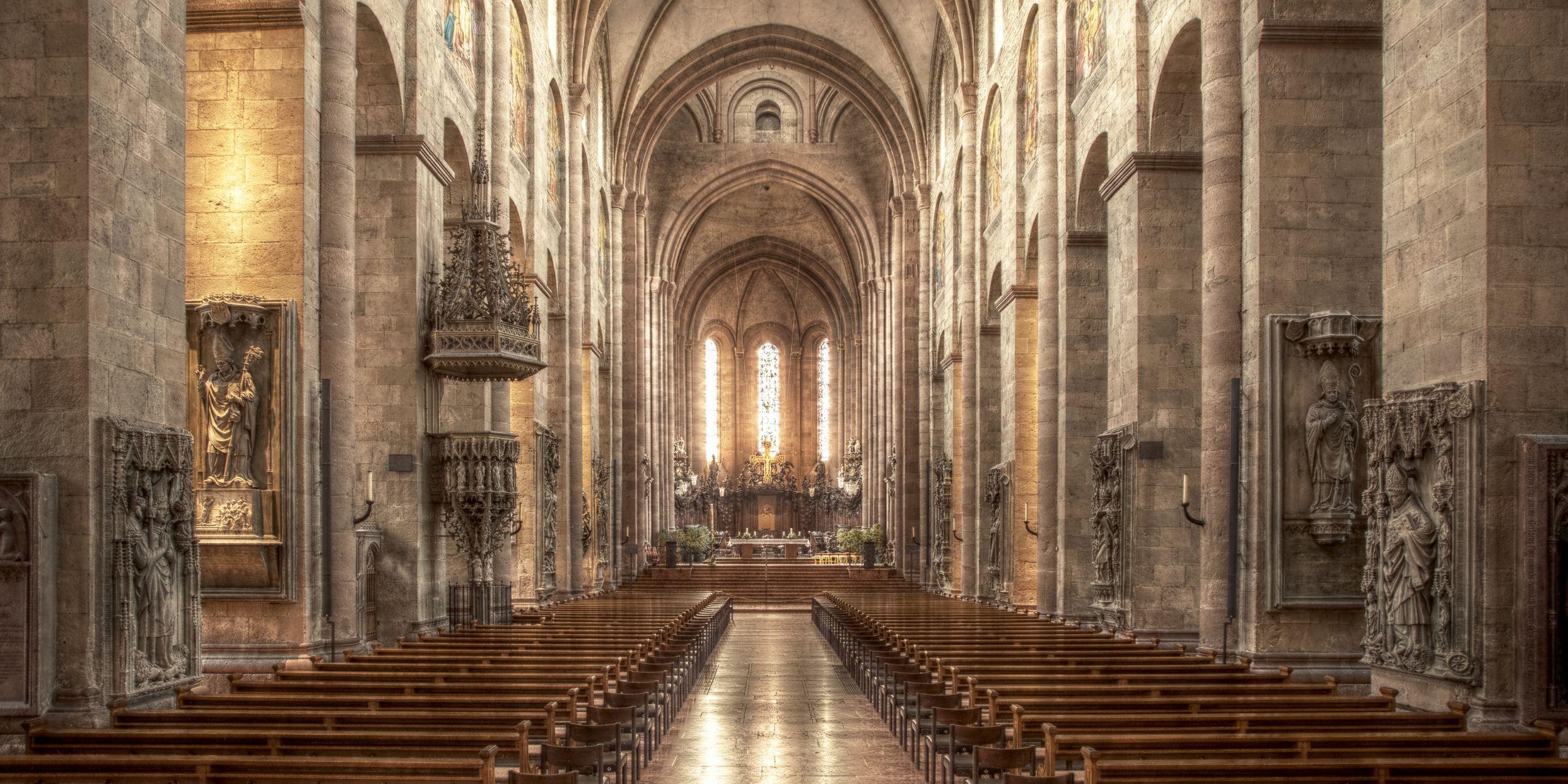
Since then, construction, expansion, and modifications have taken place repeatedly. Over centuries, the cathedral that the people of Mainz know today was created. As one of the so-called imperial cathedrals, it played an important role in the Holy Roman Empire: Seven royal coronations took place here. Tomb monuments from the 11th to the 20th century guide you through the nave and the cloister and tell stories of the people who shaped the Diocese of Mainz.
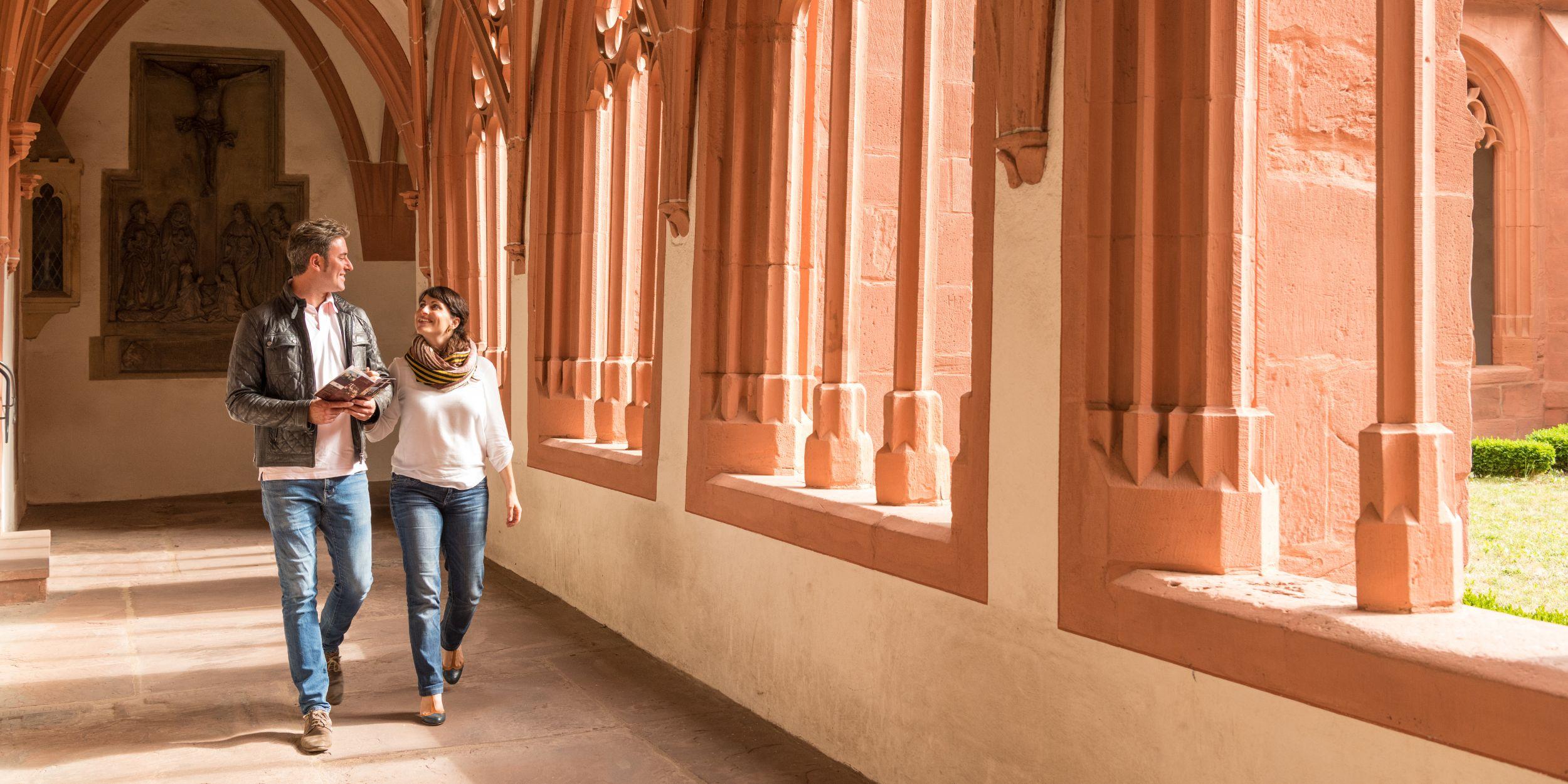
A special tip is the cloister. It invites mindfulness and tranquility. Through the arches, one can gaze upon the towers of the cathedral, creating a beautiful photographic motif of sandstone, arches, and spires. Right next to the cloister is the cathedral museum, which offers further insights into the history of the cathedral and religious art since the Middle Ages.
After the tour, it is worth visiting the mainz STORE to continue planning your stay or take home souvenirs. From here, you can walk through the alleys of the old town to the Kirschgarten or reach the banks of the Rhine in just a few minutes. Around the market, you will also find cafés and wine taverns for a break after visiting the cathedral.