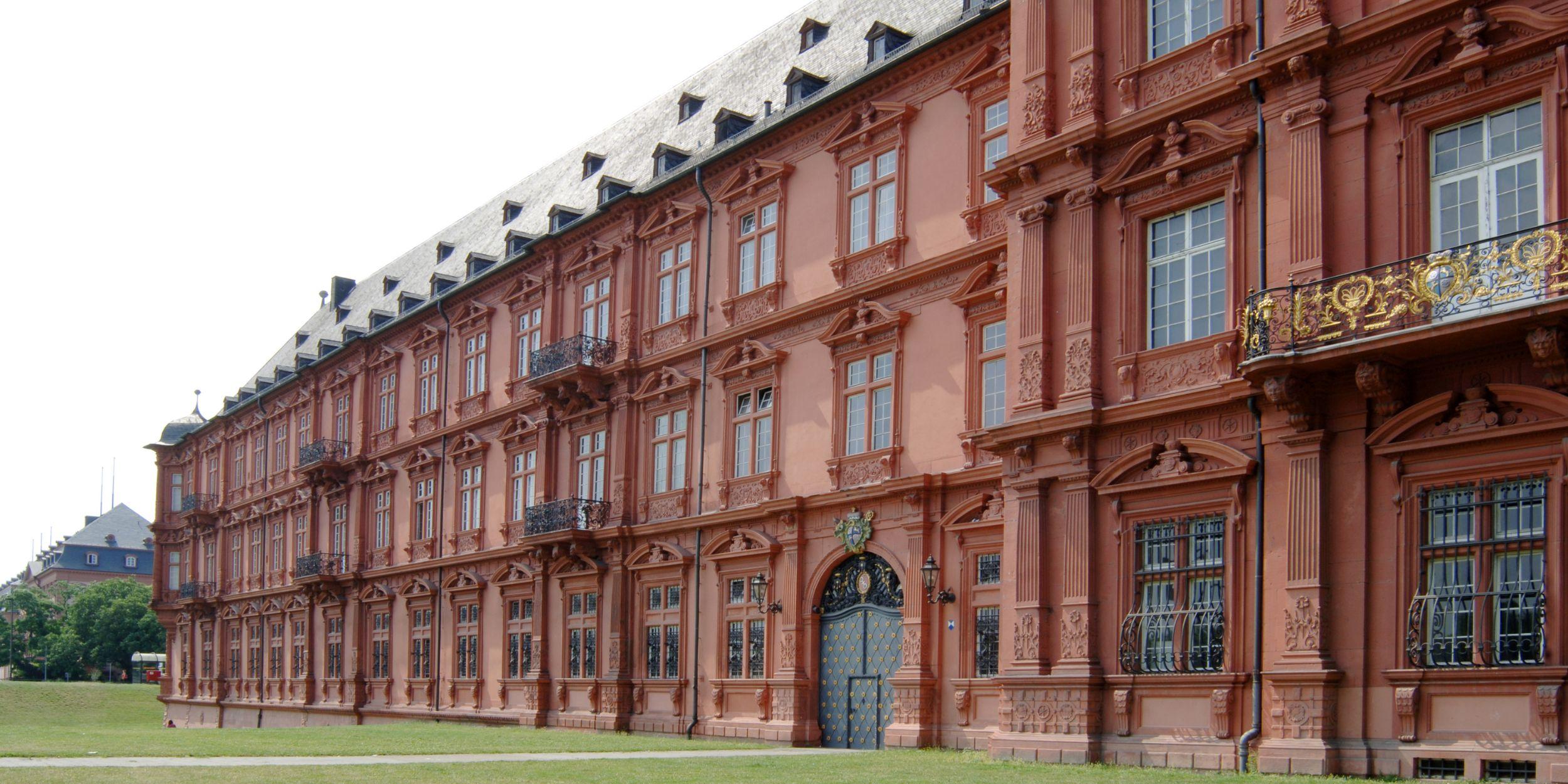
Whoever comes to Mainz via the Theodor-Heuss Bridge will be immediately impressed by the striking, sandstone-red Electoral Palace by the Rhine, which stretches over 75 meters along the riverfront. It provides an initial impression of the city's glorious history as an electoral residence.
The palace is an outstanding example of German late Renaissance and clearly stands out from the neighboring late Baroque buildings, such as the former Teutonic Order House and the New Arsenal, due to its elaborate façade design.
The construction began in the early 17th century under Elector Johann Schweikhard von Kronberg and was completed in several phases. Despite the severe destruction, especially during World War II, the palace was restored with great attention to detail and is now one of the architectural landmarks of Mainz.
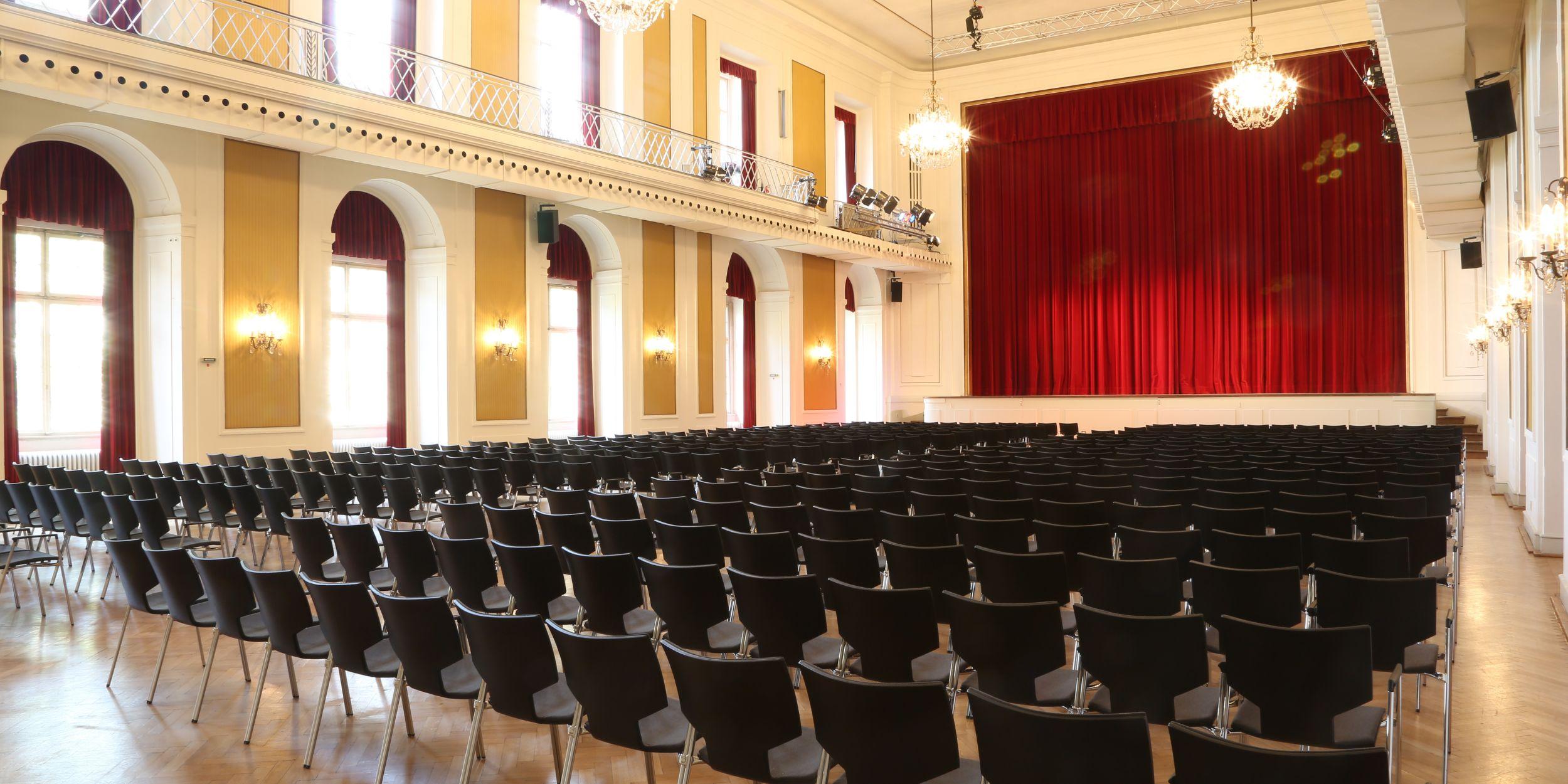
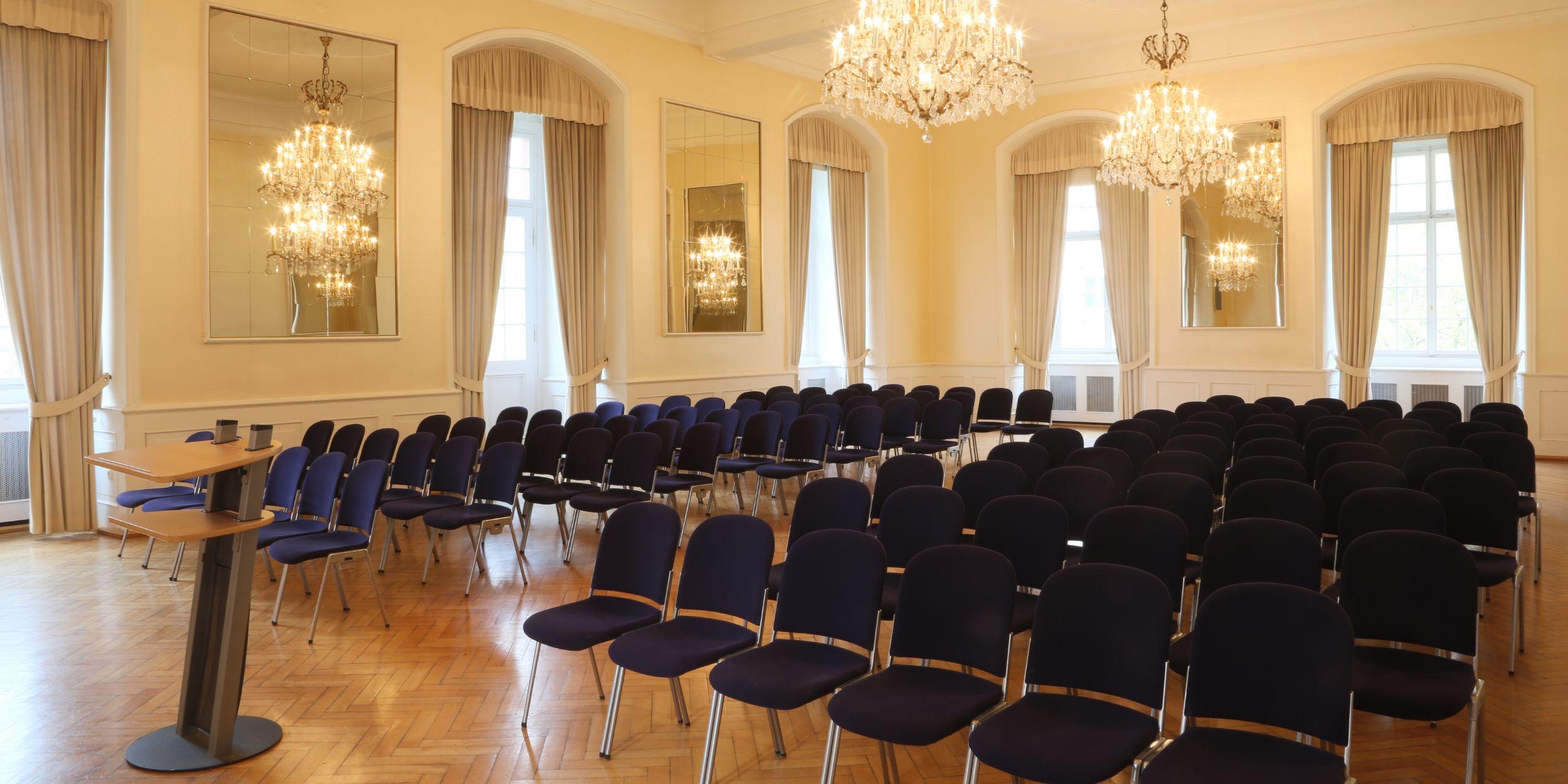
With its historical significance, prominent location by the Rhine, and elegant architecture, the Electoral Palace is a central place of cultural life in the city. The Grand Hall is particularly renowned beyond the state borders as the venue for the television carnival session "Mainz remains Mainz, as it sings and laughs."