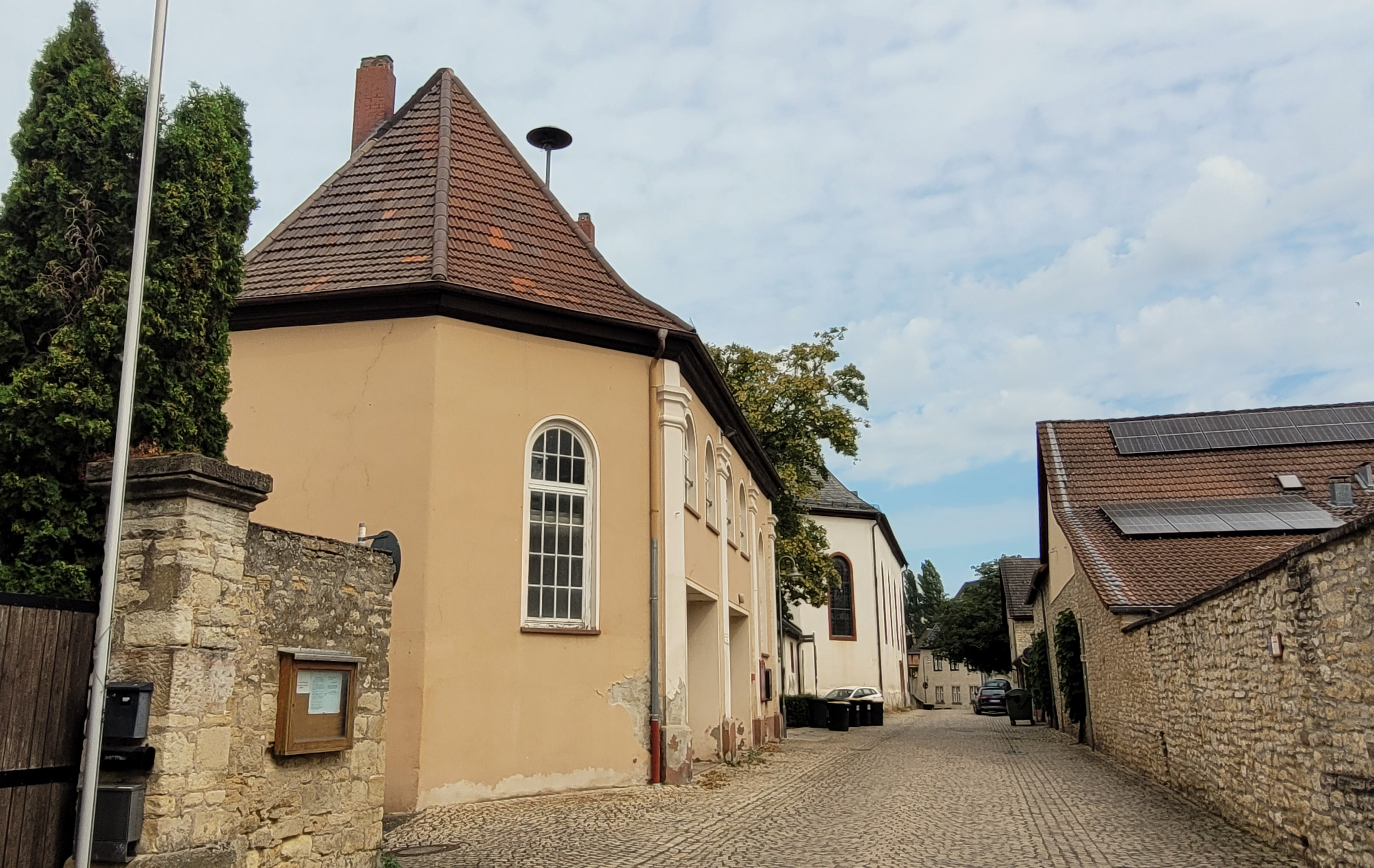
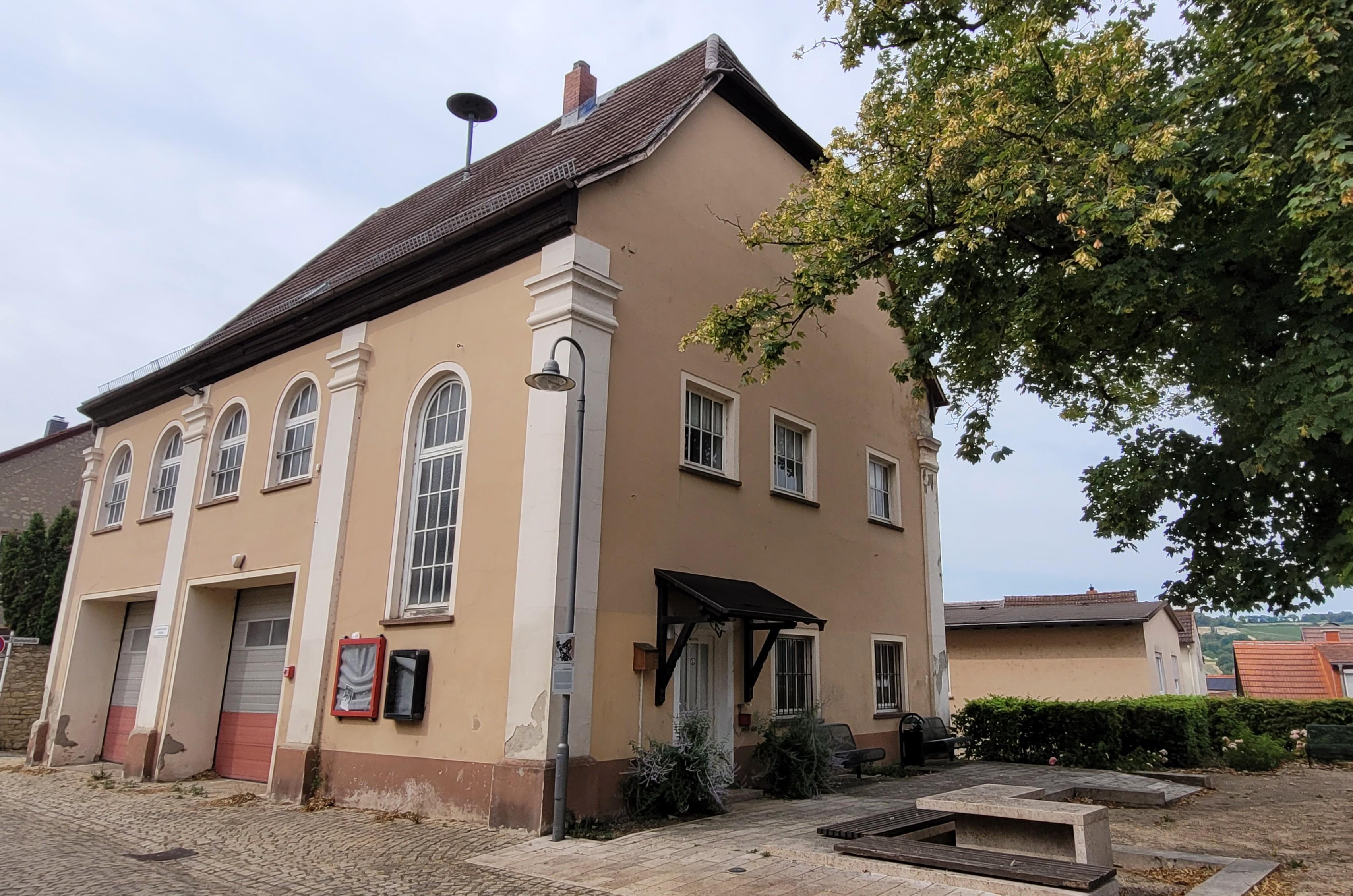
The conditions of rule in the Kurpfalz led the Ingelheimer Grund and its former imperial villages early on to side with the Reformation. The subsequent eras brought further, often changing conditions and corresponding controversies. In the mid-16th century, Großwinternheim became Calvinist, while the wealthy nobility remained Catholic. From 1689 to 1705, the situation was one of simultaneous coexistence. Afterwards, the Catholics, whose numbers had increased due to migration, retained the traditional place of worship. The Reformed community received, undoubtedly insufficiently, an old town hall room. With great effort, the establishment of a modest baroque church was undertaken between 1740 and 1747, incorporating parts of the Gothic St. Michael's Chapel, first mentioned in 1427. For 140 years, this building served its purpose, until it fell into a state of significant decay. The repair costs led to plans in 1886/87 for the construction of a worthy new building (see 10), and after its realization, the original structure was deconsecrated. Today, the former church building is used as a fire station.
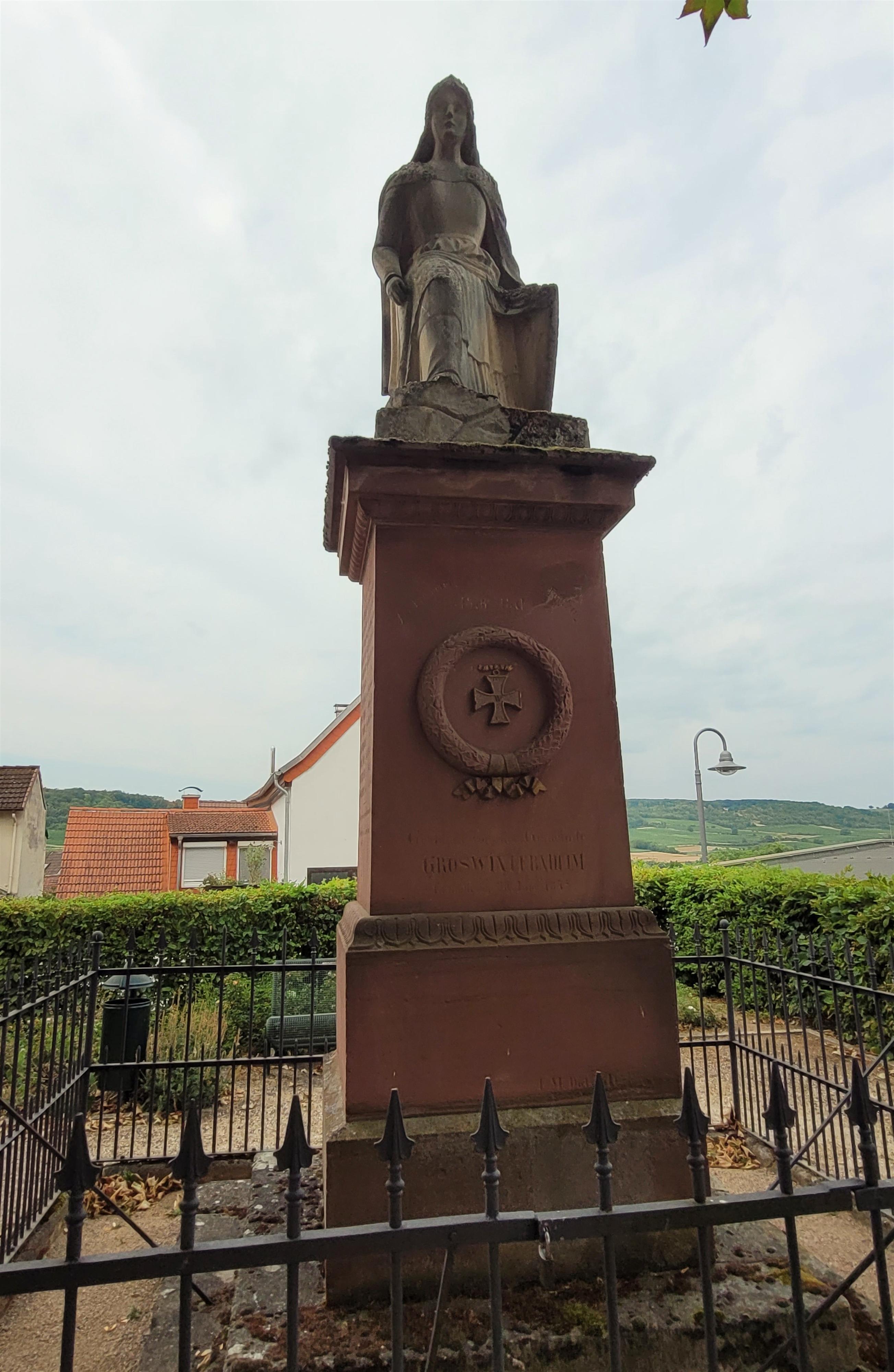
In the wrought-iron-framed square on the oak-shaded open space between the former Reformed and Catholic churches, a Germania statue (missing the sword!) made of gray sandstone on a pedestal of red sandstone commemorates the France campaign of 1870/71. Once dedicated as a war memorial to the local fallen soldiers, the monument also impressively conveys the widespread patriotic and glorifying enthusiasm that arose in light of the new foundation of the Empire.