familie

Winery of the city of Mainz

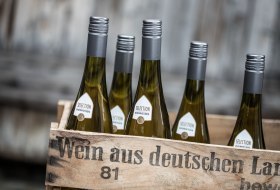
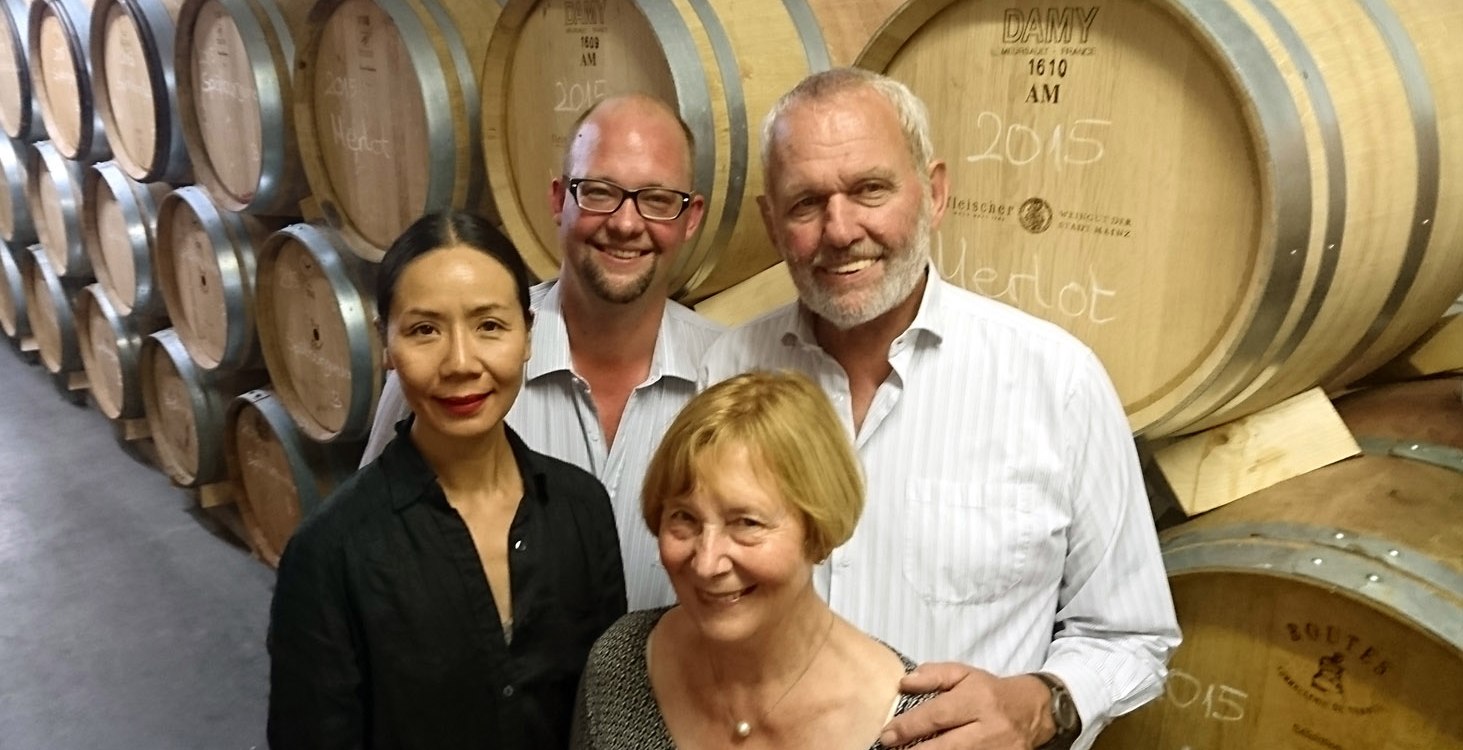
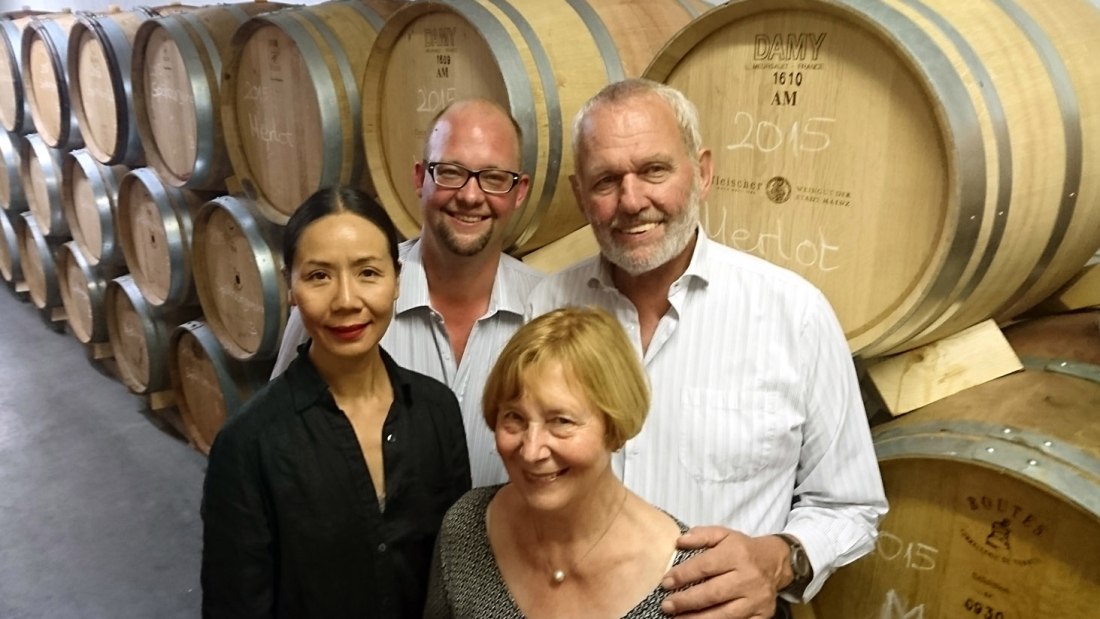
The winemaking tradition of the Fleischer family can be traced back to a document from 1742. Since the rebuilding of the winery on Rheinhessenstraße in 1968, Hans W. and Maria Fleischer have further developed this tradition with passion and innovation. Whether Winzersekt, temperature-controlled fermentation of white wines or red wines aged in wooden barrels, Fleischers are still among the pioneers in Rheinhessen. After 3 years of experimentation in the leased in 2009 winery Lieutenant Colonel Liebrecht from Bodenheim, in 2012 the sons Michael and Stefan Fleischer converted the entire farm to organic farming. Here, the Fleischers have a simple philosophy: "The healthier the vineyard ecosystem, the better the quality of the grapes and the wine."

familie
familie
Fleischer_Logo
Fleischer_Logo

About us

  • Vineyard-area 42 hectares

Contact details:

Weingut der Stadt Mainz
Familie Fleischer
Rheinhessenstraße 103 55129 Mainz-Hechtsheim

Processed vineyards

back
Niersteiner Ölberg

Niersteiner Ölberg (Oil mountain of Nierstein)

Biblical reference, oil mill or oily Rieslings?

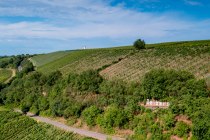
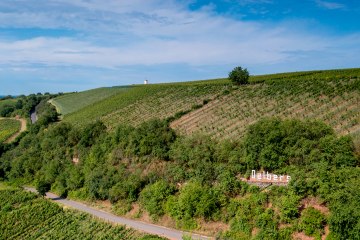
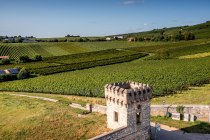
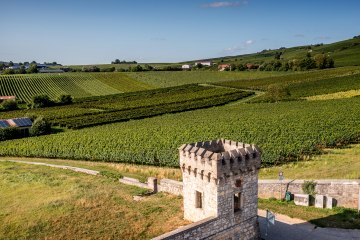
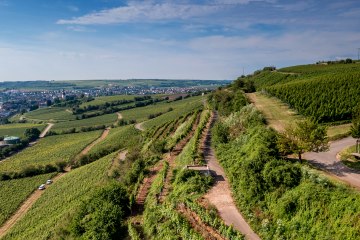
Is the single vineyard named “Ölberg” because an oil mill once stood here? Or did the Ölberg get its name because of the oily consistency of the wines produced here? Does the site maybe have biblical references, named after a monastery? Anything is possible. The single vineyard is part of the "Roter Hang" but turns away from the river Rhein and faces south-southeast, situated above Nierstein. Partly very steep with a gradient of up to 60 percent. Like it is tpical for Roter Hang, the soil here is Rotliegendes, the iron oxide-containing, and landscape-defining red shining clay slate. The dominant grape variety is Riesling. In the middle of the vineyard: the Wartturm, a Nierstein landmark. Once a medieval signal tower from the 12th century.

> Discover the single vineyard by bike: https://www.rheinhessen.de/amiche-radweg

> Info about the Nierstein Wartturm: https://www.rheinhessen.de/a-wartturm-von-nierstein
> Wine events, winemakers and more: https://roter-hang.de/

learn more
back
Bodenheimer Hoch

Bodenheim High (High of Bodenheim)

Upwards towards pleasure

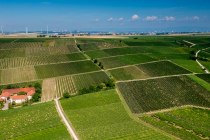
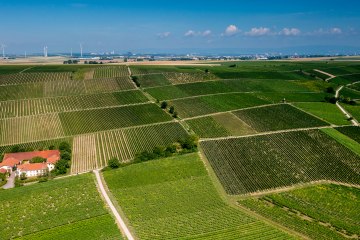
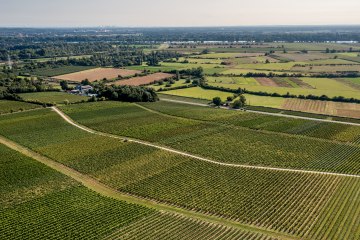
Not flat, not hilly, not very steep, but still at a good height: here the vines grow on a slope with a gradient of up to 35 percent. A high plateau at the gates of Mainz! The site was first mentioned in a document in 1629 with the name "auf der Höhe" (engl. On the height). Riesling and Pinot Blanc thrive in loess-loam clay soil, just as well as Pinot Noir and other new red wine varieties. Bodenheim is part of the RheinTerrassenWeg, a hiking trail parallel to the river Rhein. The Rheinhessen RheinRadweg, a bicycle trail, also passes not far from Bodenheim.

learn more
back
Bodenheimer Burgweg

Bodenheimer Burgweg

Pinot Noir and a spelling mistake

It can sometimes be very amusing how names are established. For this vineyard, name very likely originates in a spelling mistake: In the first documented reference from 1364, the vineyard is called "Uf dem Burgwege" (engl. On the castle path). However, what might actually have been meant is “Bergwege" (mountain path); The writer changed the "e" to a "u". The slope of the "Bodenheimer Burgweg" hill has an impressive ten to 25 percent gradient and consists of glacial loess and sandy clay loam. The light, nutrient- and lime-rich soil is particularly suitable for the cultivation of Pinot Noir, but also Riesling, Silvaner and Scheurebe. Bodenheim is part of the RheinTerrassenWeg, a hiking trail parallel to the river Rhein. The people of Bodenheim like celebrating at the tower. The most important occasion there is the Sankt Albansfest, a wine festival in June.

learn more
back
Niersteiner Hipping

Niersteiner Hipping

Tool, hill, goat? Nowadays a premium vineyard

The name of the vineyard is documented in a deed from 1753, as the vineyard property of various Nierstein vineyards. The origin of the name has not been definitively clarified. It could have come from Middle High German and once meant "hügell" (hill). Or it goes back to "Hippe", which means tool - or another version - goat. Did bleating goats once jump over the hill here? Who knows. Today, no goats bleat there any more - and the winegrowers have nothing to complain about either. This single vineyard site is of special value. World-class Rieslings thrive on the special red claystone called Rotliegenden. The "Alexander-von-Humboldt-Blick" is a viewing point located in the middle of the single vineyard site. In 1790, the naturalists Georg Forster and Alexander von Humboldt travelled by carriage from Mainz to Nierstein and reported on the red rock and the noble wine.

> Hike and audio to the Hipping station: https://roter-hang.de/weinerlebnis/hipping/ 
> Info about the Alexander-von-Humboldt view: https://rhein-selz-tourismus.de/rhein-selz-entdecken/die-entdeckung-des-tages/alexander-von-humboldt-blick.html 
> Discover the single vineyard by bike: https://www.rheinhessen.de/amiche-radweg 

learn more
back
Bodenheimer Mönchspfad

Bodenheimer Mönchspfad (Bodenheim Monk’s path)

St. Alban and the delicious Silvaner

St. Alban's was one of the oldest and most important churches in Mainz, "a second Mainz Cathedral", states the Institute for Historical Regional Studies at the University of Mainz. The history of the church dates back to late Roman times. It was burnt down in 1552 and the monastery was closed in 1802. But some historical references - like in the naming of the site "Bodenheimer Mönchspfad" - remain. The St. Albans monastery owned land there. Today, a wide variety of grape varieties grow on fertile loess loam, including delicious Silvaner. Bodenheim is part of the RheinTerrassenWeg,a hiking trail parallel to the river Rhein.

learn more
back
Alternativbild für Bodenheimer Ebersberg

Bodenheimer Ebersberg

The location was mentioned in 1297 with the name "Erweybohele". On the hill were originally peas (Middle High German wheat) grown.

learn more
back
Alternativbild für Bodenheimer Silberberg

Bodenheimer Silberberg

In a metaphorical name, this is a good vineyard location. Only rarely is such a name based on the occurrence of shiny rocks such as galena.

learn more