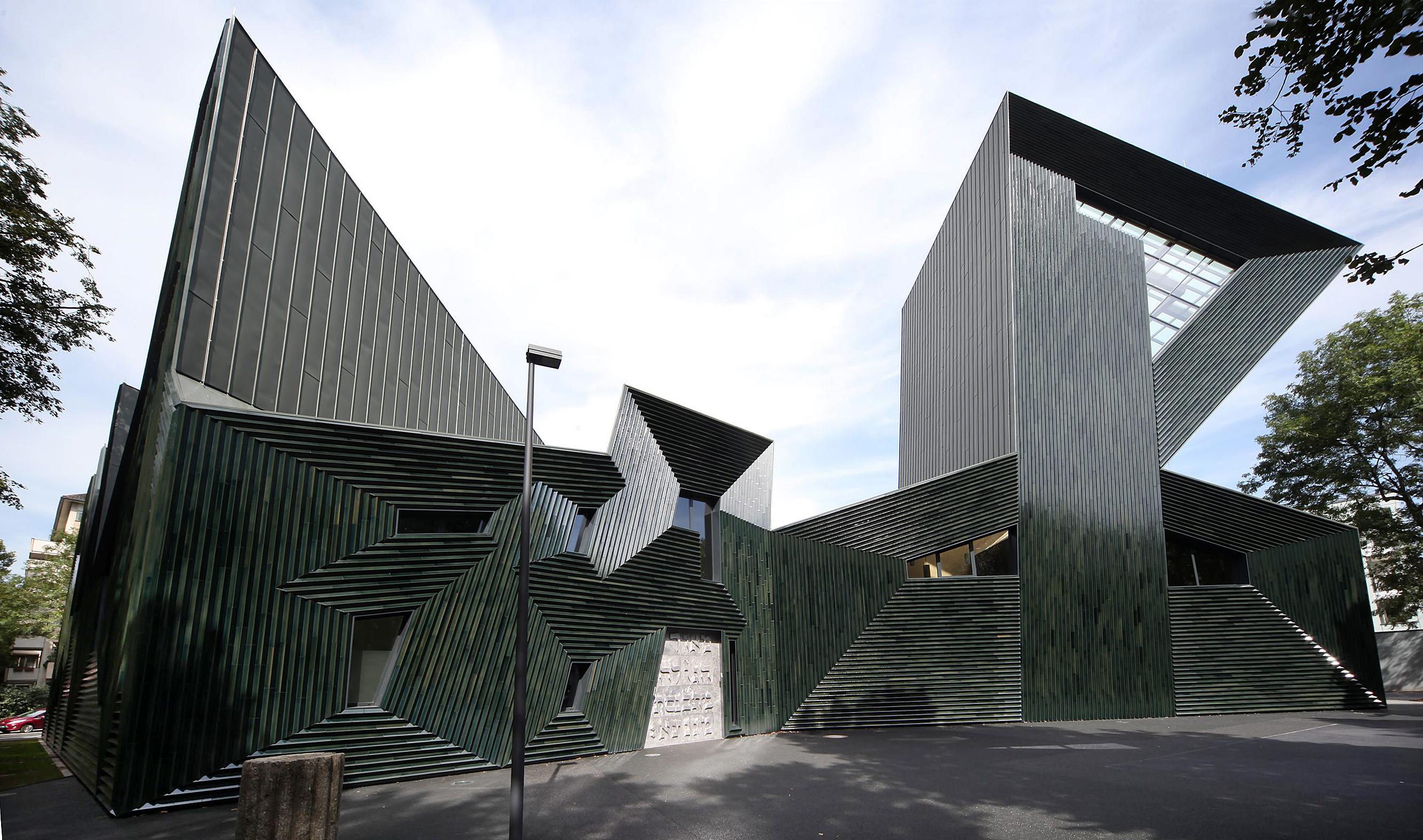
For many centuries, the Judengasse formed the center of the Jewish residential neighborhood in Mainz. In 1662, a decree by the Mainz Elector Johann Philipp von Schönborn stipulated that the Jewish population could only reside in this alley. For this purpose, it was sealed off at both ends by gates.
Previously, after a long period of absence, Jewish families had settled again in Mainz. Their stay was time-limited and tied to the payment of so-called protection fees. However, with the growing economic influence of the Jewish population, tensions also increased. As a result, their rights were further restricted: The number of permitted families was limited, trade opportunities were regulated, and living outside the designated alley was forbidden.
The limited space eventually led to the development of a densely built area with narrow, multi-story houses. Later, the residential area was extended to two parallel streets. In 1684, a synagogue was built there. By around 1790, about 540 Jewish people lived in Mainz, which was approximately one percent of the city's population at that time.
It was not until 1768 that Jewish families were again permitted to acquire living space outside the enclosed neighborhood.