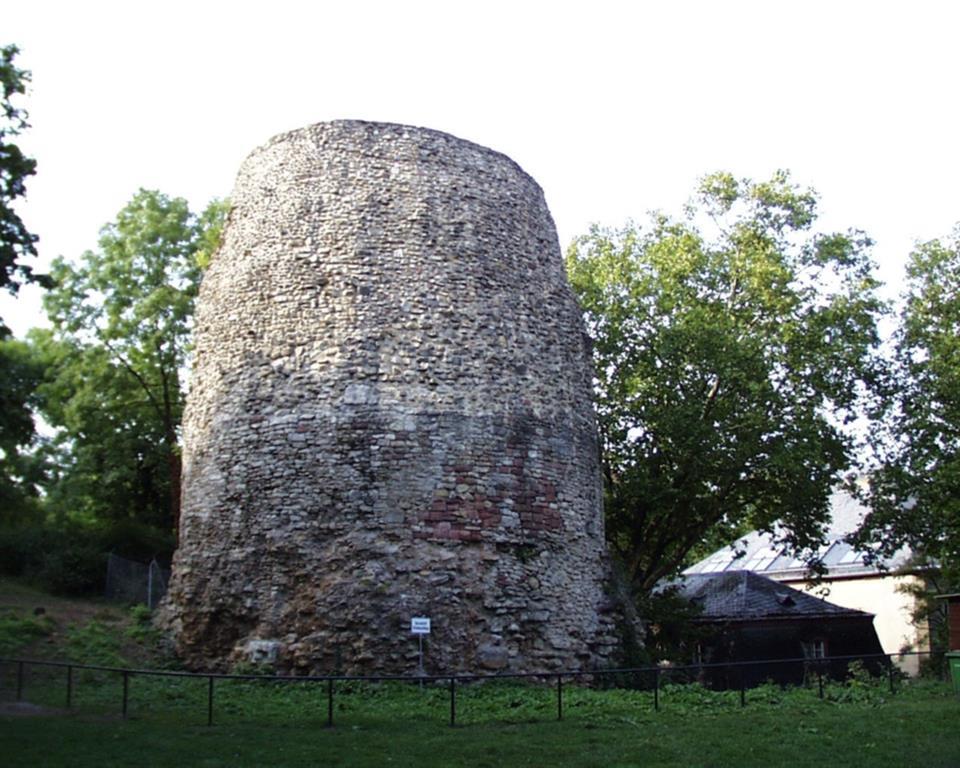
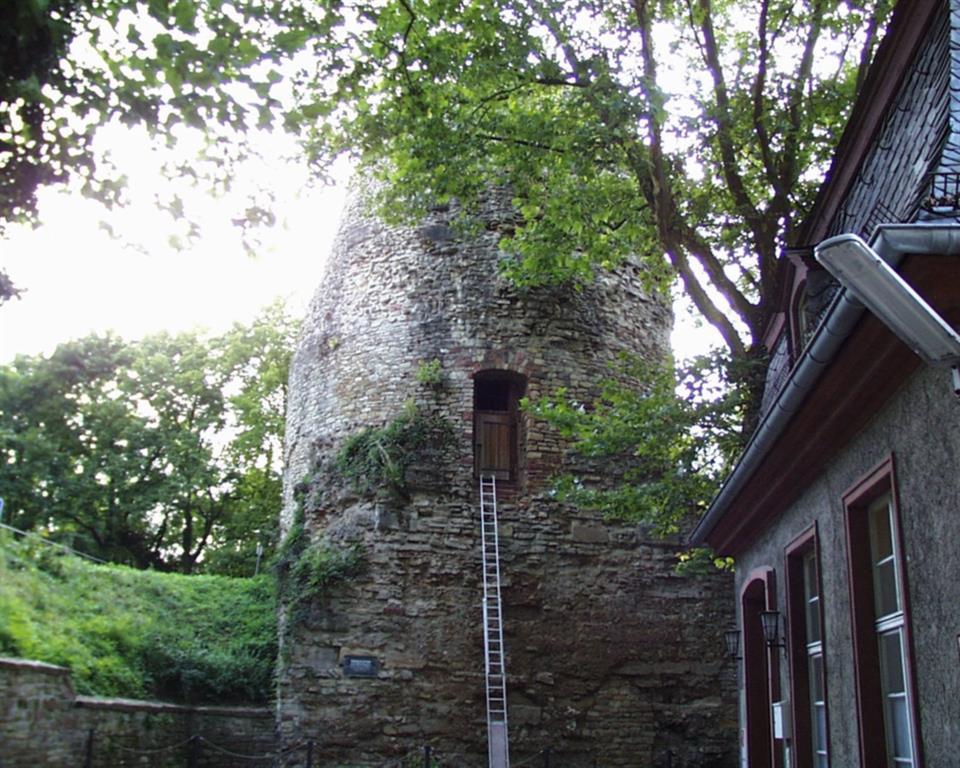
A mysterious atmosphere envelops the nighttime Mainz of Roman times. Soldiers in full armor gather around the fire of a large pyre, laying down weapons and spoils, while wails of mourning echo through the darkness and the flickering fire casts ghostly shadows on the nearby memorial. This could have looked like the annual death cult for General Drusus. Remains of the Drusus stone, regarded as an important Roman monument, can still be seen today on the grounds of the citadel.
Nero Claudius Drusus, known simply as Drusus, was a stepson of Emperor Augustus and was assigned in 13 B.C. along with his stepbrother Tiberius to secure Germania and conquer the territory beyond the Rhine. Still that same year, Drusus established a base camp opposite the confluence of the Main River, thus laying the foundation for what is now the city of Mainz. Under his command, the Roman legions marched along the Main line to the Elbe.
The Roman historian Cassius Dio described Drusus as “...a young man endowed with so many and such high virtues as mortal human nature can include within itself, and with diligence and ability to cultivate them.” In 9 B.C., Drusus met with an accident on his return from a campaign on the Elbe and died from his injuries. In honor of their commander, the soldiers stationed in Mogontiacum erected an empty tomb (cenotaph), while his body was buried in Rome in the Mausoleum of Emperor Augustus.
In the Middle Ages, the prominent location of the Drusus stone was utilized and transformed into a watchtower. Even after the construction of the citadel, it presumably continued to serve as a strategic lookout point.