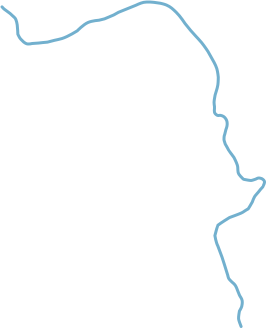
Stilisierte Karte von Rheinhessen

Binger Bubenstück

The location was mentioned in 1532 with the name "beside Bodenstücke". The name can be traced back to a personal name (Bobo) or to the Middle German Boben (located above).

facts and figures

wine-growing area: 80 hectares Community: Bingen Sea level: 105-140 m Exposure: Southeast to South
sub-region:
Bingen
collective vineyard site:
St. Rochuskapelle
single vineyard site:
Bubenstück
village:
Büdesheim

soil types

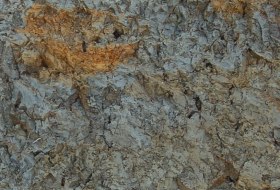
Marl / pelosol

Clay marl pelosol

Lime-rich clayey deposits of the teritary sea

Deep, calcareous clay soil with a high proportion of swellable clay, lower storage capacity for soil water available to plants, limited water permeability and ventilation, nutrient-rich, very calcareous, moderate warmability, difficult to root through

Full-bodied, dense, rich, moderate acidity, creamy enamel. Expressive, ripe, mango, apricot, honeydew melon, apricot. Less minerality, more fruity, full-bodied sustainability

learn more
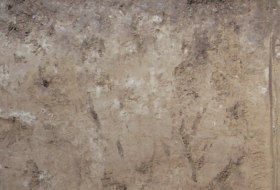
Loess / Chernosem

Loess Chernosem

Deep incorporation of humus below steppe vegetation

Especially humus-rich, very good rooting

Optimal growth conditions, early drinkable, fruity, citrus, apple, pear, peach, delicate spiciness, round acidity, fruity, full-bodied, medium body, fruity complexity, pleasant to drink

learn more

Explore the area

back
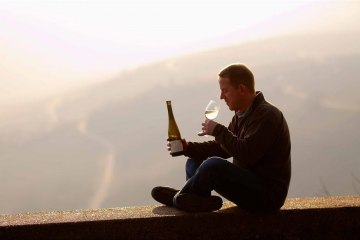
Erik Riffel

Weingut Riffel

“The foundation of a wine is laid in the vineyard, and it is there that quality and individuality are determined. That is why we hold respect for nature and the vineyard ecosystem particularly dear.”


Our passion

We want to vinify wines that vibrate and are long-lasting.
We want to know our vines to understand what benefits them. We want to hold our grapes in our hands before they become wine. And we want life to thrive in our vineyards: in the soil, in the air, between the vine rows, and most importantly, in the vines themselves. The higher the biodiversity, the better it is for the soils and wines.


Natural quality

To produce quality at the highest level, it takes "a good team":
excellent sites and soils, consistent care and attention throughout the year, absolute diligence in the vineyard as well as in the cellar, and of course, a lot of knowledge and dedicated people! Only in this way can we bring the characteristics of our creations as authentically as possible into the bottle: balanced, terroir-specific, and finely structured.


learn more
back
Erik Riffel

Weingut Riffel

“The foundation of a wine is laid in the vineyard, and it is there that quality and individuality are determined. That is why we hold respect for nature and the vineyard ecosystem particularly dear.”


Our passion

We want to vinify wines that vibrate and are long-lasting.
We want to know our vines to understand what benefits them. We want to hold our grapes in our hands before they become wine. And we want life to thrive in our vineyards: in the soil, in the air, between the vine rows, and most importantly, in the vines themselves. The higher the biodiversity, the better it is for the soils and wines.


Natural quality

To produce quality at the highest level, it takes "a good team":
excellent sites and soils, consistent care and attention throughout the year, absolute diligence in the vineyard as well as in the cellar, and of course, a lot of knowledge and dedicated people! Only in this way can we bring the characteristics of our creations as authentically as possible into the bottle: balanced, terroir-specific, and finely structured.


learn more