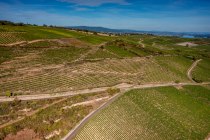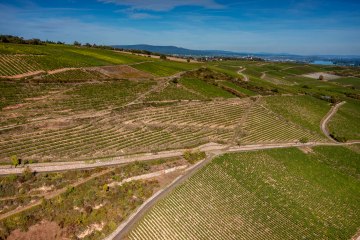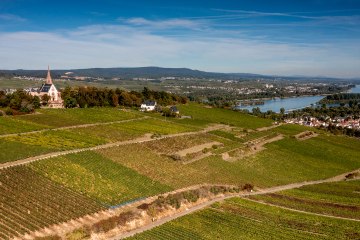
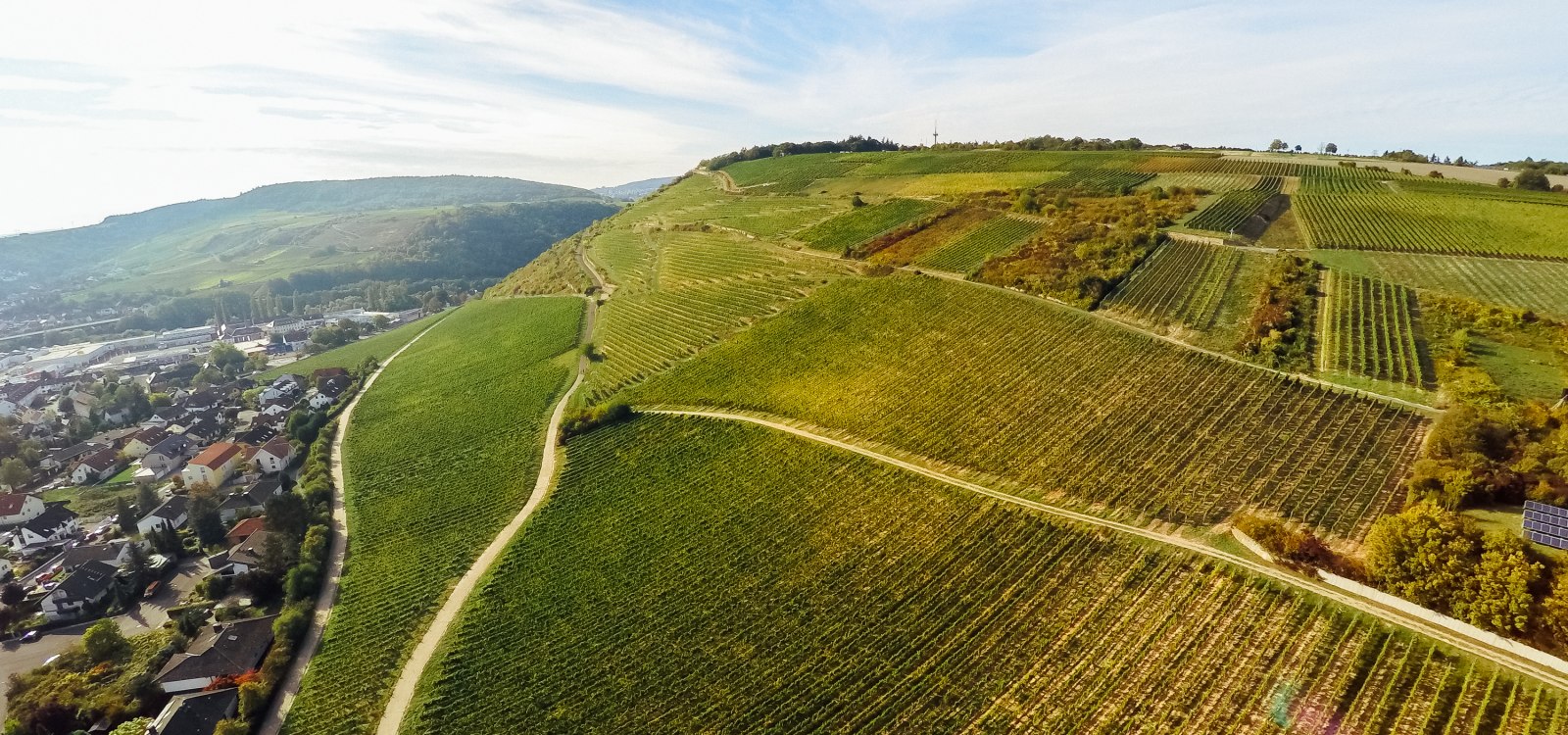
RIFFEL_luftaufnahme_scharlachberg_c_Nils_Weiler
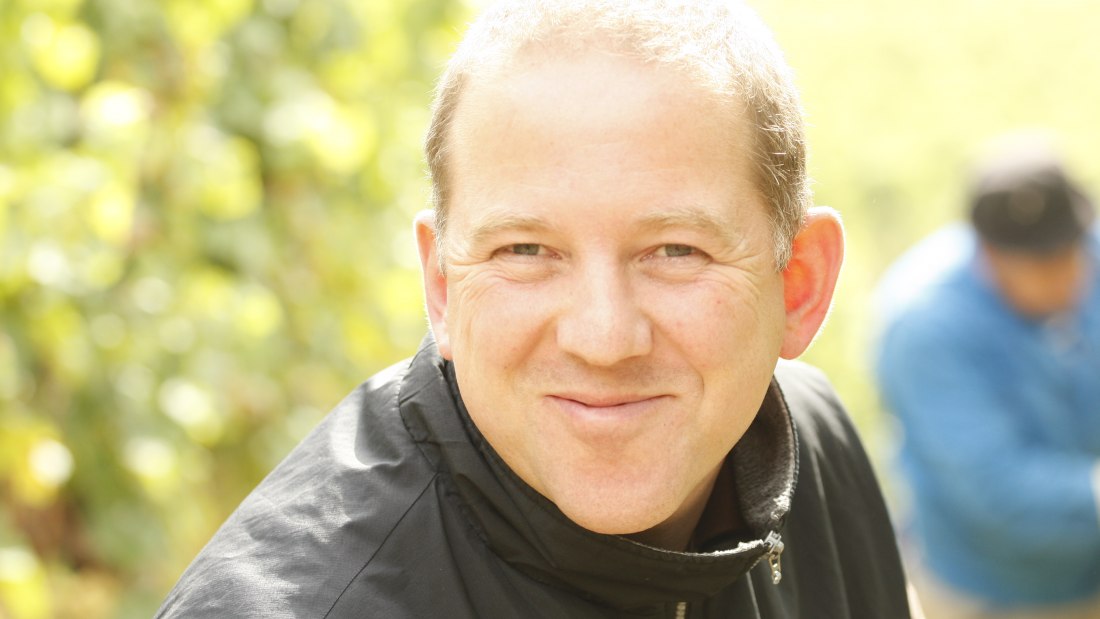
Erik Riffel
Erik Riffel
© Weingut Riffel
© Weingut Riffel
© Weingut Riffel
© Weingut Riffel
© Weingut Riffel
© Weingut Riffel
Vinothek Riffel
Vinothek Riffel
© Weingut Riffel

About us

  • Winemaker Erik Riffel
  • Vineyard-area 18 hectares
  • specialist trade
  • sparkling wine
  • wine export
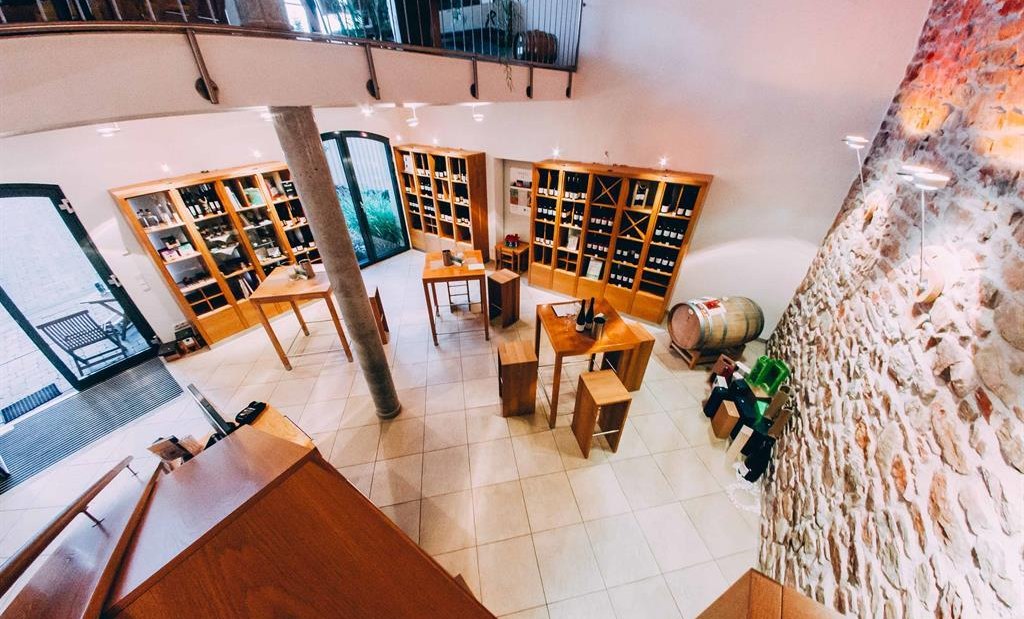
  • Ab-Hof/Vinotheque
  • architecture
  • Maxim origin Rheinhessen
  • Ecologically certified
  • Sustainable certified
  • Sylvaner
  • Non-Alcoholic Wines

Contact details:

Weingut Riffel
Mühlweg 14 A 55411 Bingen-Büdesheim
Visit us

Winery Riffel

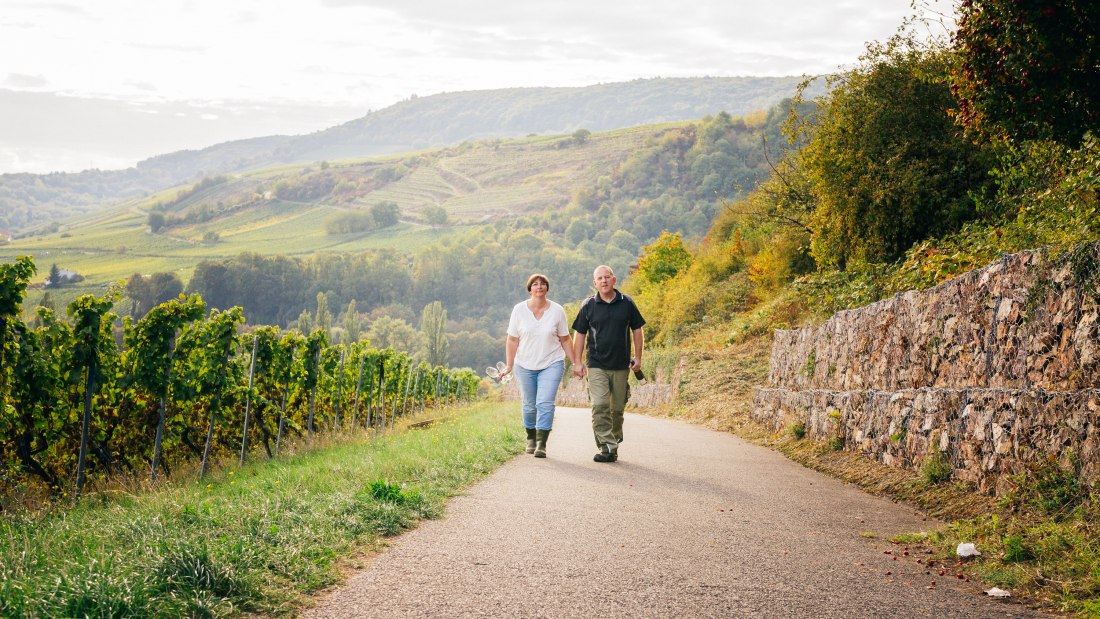
riffel_carolin_erik_p_nils_weiler1, © Nils hamlet

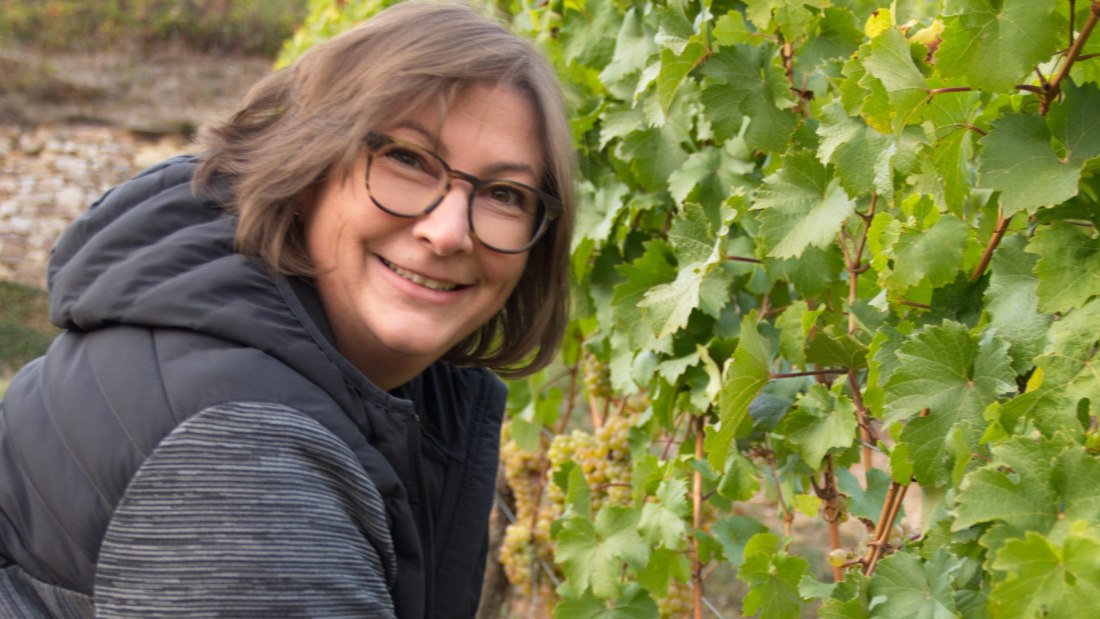
"The basis of a wine is placed in the vineyard and so there is already decided on quality and character. That's why respect for nature and the vineyard ecosystem is very important to us. "

Our passion
We want to vinify wines that are vibrant and long lasting.
We want to know our vines, to know what is good for them. We want to hold our grapes in our hands before turning them into wine. And we want life in our vineyards to flourish: in the earth, in the air, between the vineyards and above all in the vines themselves. The higher the biodiversity, the better for soils and wines.

Natural quality
To clamp quality on top level, it needs "a good team":
excellent locations and floors, consistent care and attention throughout the year, absolute care in the vineyard as well as in the cellar and, of course, a lot of knowledge and dedicated people! Only then can we bring the characteristics of our plants into the bottle as authentically as possible: balanced, terroir-specific and delicate.
learn more

Weingut Riffel

Erik Riffel

“The foundation of a wine is laid in the vineyard, and it is there that quality and individuality are determined. That is why we hold respect for nature and the vineyard ecosystem particularly dear.”


Our passion

We want to vinify wines that vibrate and are long-lasting.
We want to know our vines to understand what benefits them. We want to hold our grapes in our hands before they become wine. And we want life to thrive in our vineyards: in the soil, in the air, between the vine rows, and most importantly, in the vines themselves. The higher the biodiversity, the better it is for the soils and wines.


Natural quality

To produce quality at the highest level, it takes "a good team":
excellent sites and soils, consistent care and attention throughout the year, absolute diligence in the vineyard as well as in the cellar, and of course, a lot of knowledge and dedicated people! Only in this way can we bring the characteristics of our creations as authentically as possible into the bottle: balanced, terroir-specific, and finely structured.


learn more
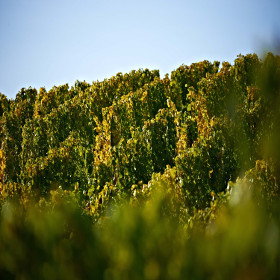
Processed vineyards

back
Alternativbild für Binger Rosengarten

Binger Rosengarten

The location was mentioned in the 17th century with the name "im Rosengarten". The rose gardens can point to a natural growth. Often, however, they point to early medieval burial places.

learn more
back
Alternativbild für Binger Osterberg

Binger Osterberg

The location was documented in the 12th century with the name "im Osterberg". To Middle High German means "Easter" located in the east and indicates the eastern location to the municipality Büdesheim.

learn more
back
Alternativbild für Binger Bubenstück

Binger Bubenstück

The location was mentioned in 1532 with the name "beside Bodenstücke". The name can be traced back to a personal name (Bobo) or to the Middle German Boben (located above).

learn more
back
Binger Scharlachberg

Bingen Scharlachberg (Scarlet fever hill of Bingen)

Red pigments in the soil for top Rieslings

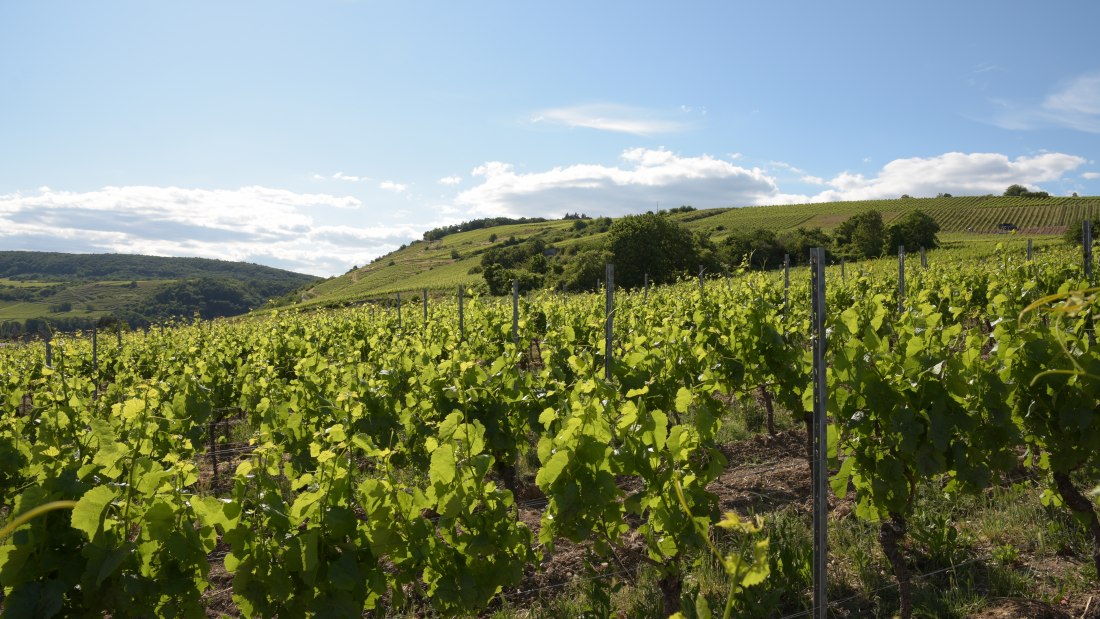
The people who gave the name to this single vineyard site chose something that takes some getting used to: in the case of the childhood disease scarlet fever, the tongue turns red. The single vineyard Scharlachberg consists of "Quarzit Rigosol", a strongly consolidated sandstone with a high iron oxide content. The iron discolours the soil orange-red or scarlet. The vineyard was first mentioned in a document in 1248 with the name "vocatur scarlachen". It extends above the Bingen district of Büdesheim. Rieslings with great ripening potential come from here.

learn more
back
Binger Kirchberg with St. Rupert's monastery

Bingen Kirchberg (Church hill of Bingen)

Quartzite lies between chapel and church

The Rochuskapelle (Rochus Chapel) towers above, the Kempten district of Bingen on the banks of the Rhine below. In between the picturesque "Binger Kirchberg" vineyard, first mentioned in 1726. It probably got its name from the view of Kempten's Dreikönigskirche (holy trinity church). Mainly Riesling grows here, but there is also some Pinot Noir found. The loam-loess soil has a high stone content and is very rich in lime and quartzite. The quartzite contains iron oxide, colouring parts of the soil red. The wines show a distinctive flinty minerality.

learn more