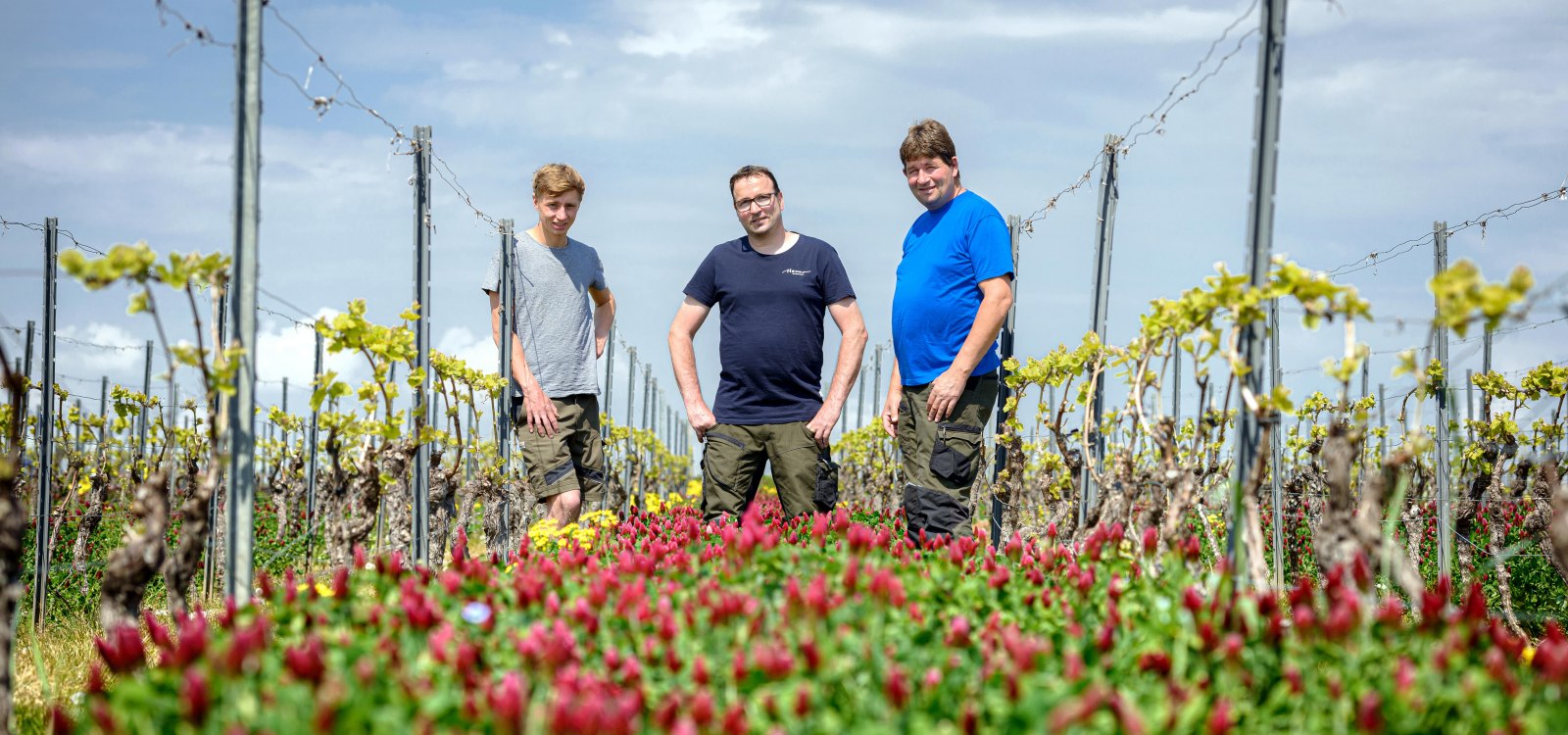
Weingut-Hemer_ND8_7852-min

Wine & Sektgut Hemer GbR

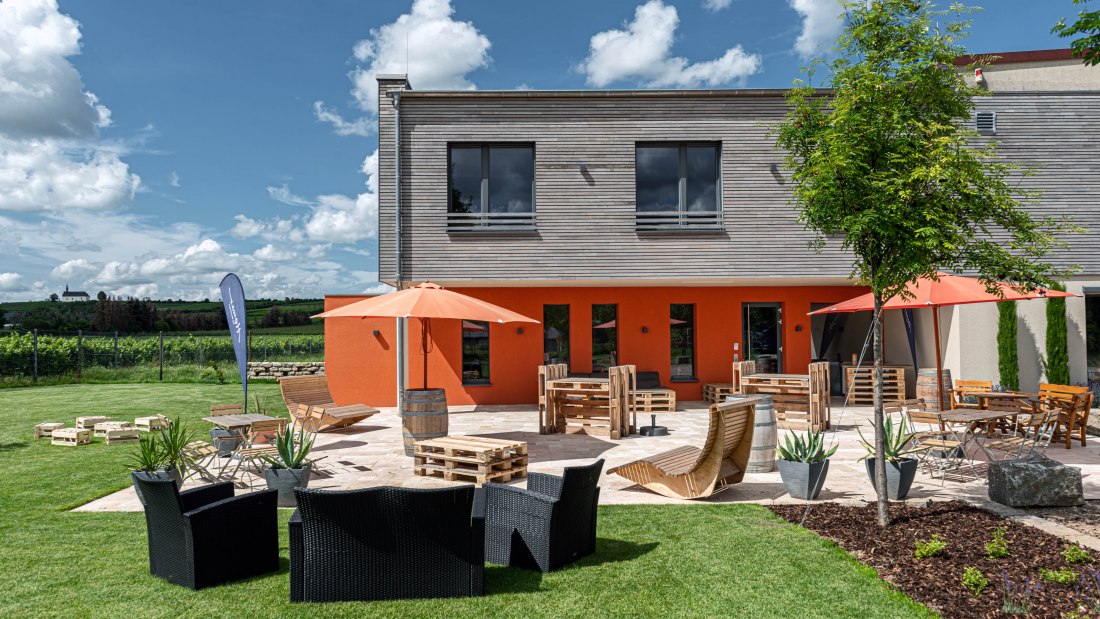
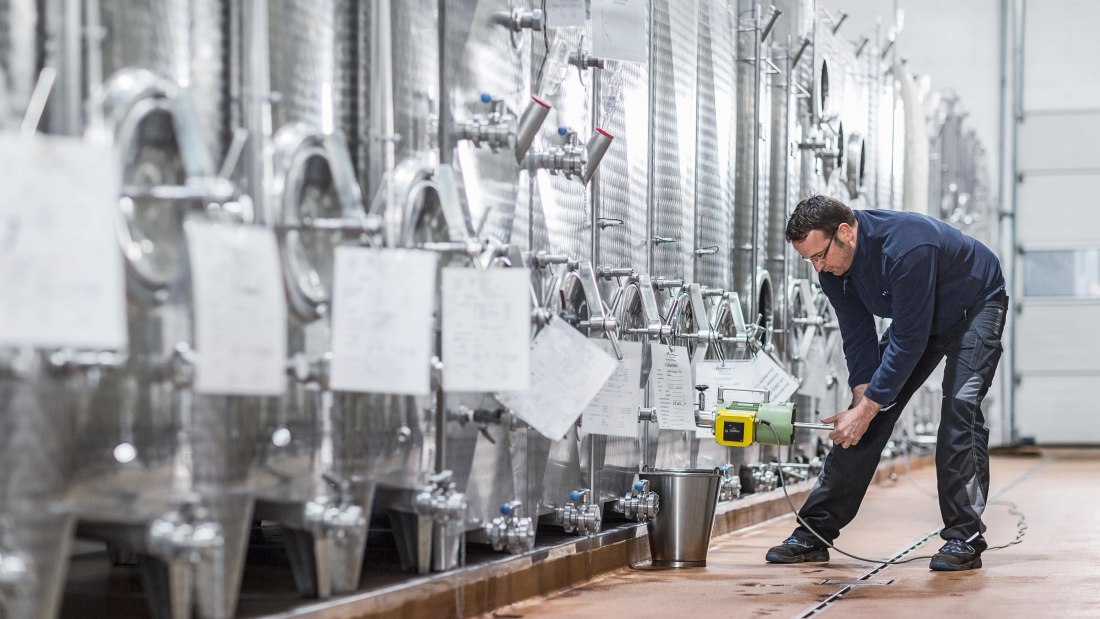
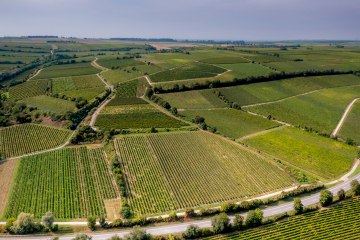
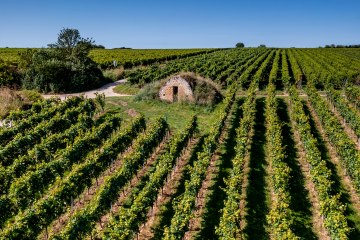
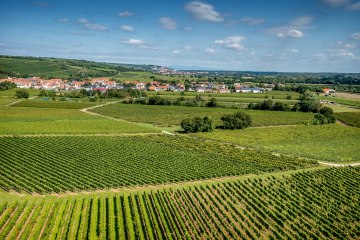
Organic winery (ECOVIN), careful treatment of grapes, love for Pinots, noble red wine blends and oak barrels, wide range of fresh-fruity and full-bodied white wines, flexible and reliable partner for trade and gastronomy, very good value for money. New: Vegan certification since 2014, high quality new equipment for the wines and sparkling wines, 2013 GREEN TOUGH® and PINKZEUG®.
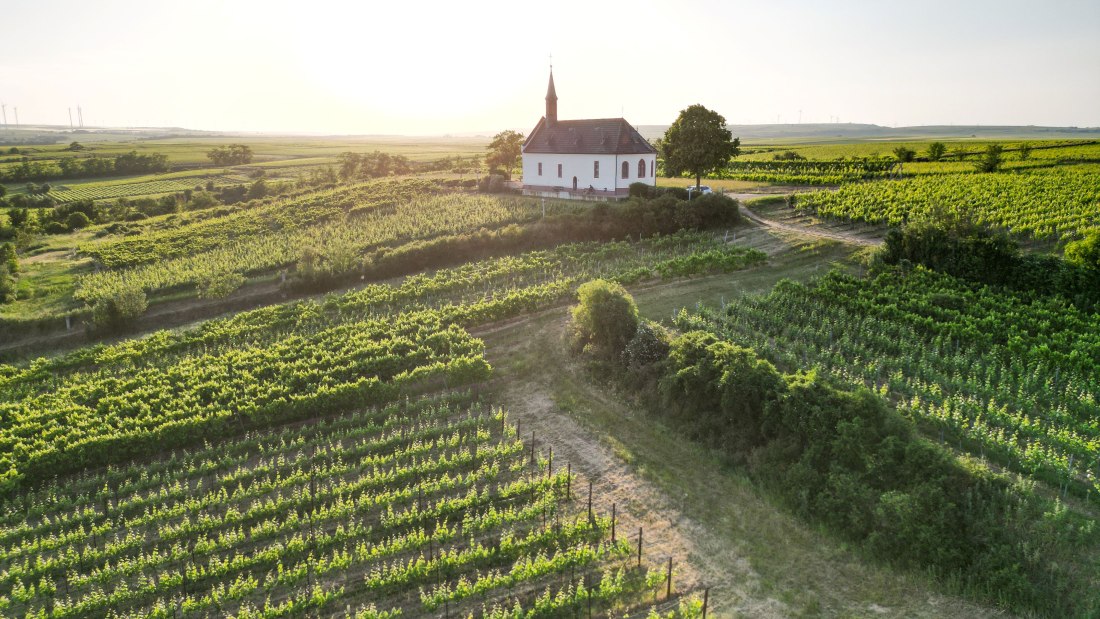
DJI_0602
DJI_0602
Bioweingut-Hemer-2019_02-min
Bioweingut-Hemer-2019_63-min
Bioweingut-Hemer-2019_37-min
Logo Hemer
Logo Hemer

About us

  • Winemaker Andreas & Felix Hemer
  • Vineyard-area 50 hectares
  • specialist trade
  • wine export
  • Ab-Hof/Vinotheque
  • Generation Rieslings
  • Ecologically certified
  • Sylvaner
  • PIWI’s
  • mulled wine
  • Non-Alcoholic Wines
  • sparkling wine
  • architecture
  • gastronomy

Contact details:

Wein- & Sektgut Hemer
Andreas Hemer
Rathausstraße 1 67550 Worms-Abenheim

Processed vineyards

back
Guntersblumer Kreuzkapelle

Guntersblumer Kreuzkapelle (Chapel of the Cross od Guntersblum)

No chapelanymore, but wonderful sunken paths

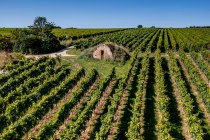
The name of the vineyard is based on a former Kreuzkapelle (eng. “cross chapel”), which apparently no longer exists. The vines of this single vineyard grow between Guntersblum and Ludwigshöhe, on the Rhine terrace. Loess and clay minerals ensure a good supply of nutrients for a variety of vines. Hikers can discover this single vineyard ideally via the Rheinterrassenweg, the fourth stage. Behind Guntersblum, from the Römerturm (Engl. Roman’s tower) one has a magnificent view of the Rhine valley. After that, the loess walls close in on each other. The sunken paths are a paradise for nature and animals.

> To the other single vineyard sites of Guntersblum: Bornpfad, Himmelthal and Steig-Terrassen
> Discover this single vineyard via Rheinterrassenweg, stage 4:

https://www.rheinhessen.de/etappenvorschlaege/rheinterrassenweg-etappe-guntersblum-ludwigshoehe-dienheim-oppenheim

learn more
back
Abenheimer Klausenberg

Abenheimer Klausenberg

Secluded, elevated, fertile: The Klausenberg

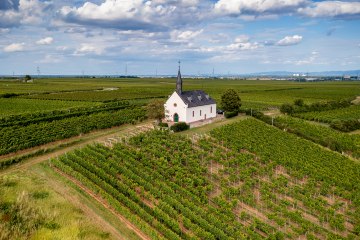
The German word “Klause” (Latin from claudere "to close") means a secluded abode of a religious hermit. One of the most beautiful chapels in Rheinhessen is enthroned on the Klausenberg, above Abenheim: the Sankt Michael Kapelle (Chapel of St. Michael). Countess Agnes of Nassau is said to have been granted permission in 1298/99 to build a monastery with a chapel in Abenheim. Around the same time (vaguely dated to 1286), the vineyard was mentioned for the first time. Here you will find fertile loess soil for all the grape varieties of Rheinhessen. From the chapel, there is a magnificent view over the Wonnegau region all the way to Worms Cathedral. The Rheinhessen Way of St. James and the "Lutherweg 1521" trail pass by here. The Abenheim Sculpture Trail is very close.

learn more
back
Dienheimer Tafelstein

Dienheimer Tafelstein

Military horsemen, noble tables and fertile soils

In the Middle Ages, noble families received tributes from their people: pigs, cheese or wine. The so-called "Tafelgüter". It is assumed that the camp name "Tafelstein" refers to this. The vines between Dienheim and Ludwigshöhe grow on deep loess, loam and lime marl. Ideal for Riesling, Pinot Noir and other varieties. The soils are fertile with good water storage capacity. The "Siliusbrunnen" (Silius Well) located there refers to the horseman Silius, who served in a Roman cavalry regiment and was buried in the Rhine terraces.

learn more
back
Ludwigshöher Teufelskopf

Ludwigshöher Teufelskopf (Devil's Head of Ludwigshöhe)

A vanished village and an up-and-coming location

Has the devil been up to his mischief here? The name "devil" in the case of vineyards often refers to disreputable localities. Or is it perhaps based on a more harmless personal name? The single vineyard site lies to the west of the village. Not far away, however, in the direction of the river Rhein, is a late Baroque cemetery cross with a somewhat creepy background. The village of Rudeslheim, which perished in 1822, is located there. The cross is a reminder for this. The "Ludwigshöher Teufelskopf" site has a slope of 15 to 25 percent. In the soil - loess, limestone and sandy loam - mainly white varieties thrive, such as harmonious Riesling and even Grüner Veltliner.

> To the Rhine Terraces Trail: https://www.rheinhessen.de/rheinterrassenweg-etappe-guntersblum-ludwigshoehe-dienheim-oppenheim
> To the wine hiking trail above Ludwigshöhe: https://www.outdooractive.com/de/route/wanderung/rheinhessen/weinwanderweg-oberhalb-von-ludwigshoehe/193379203/
> Info on the Rudelsheim vineyard: https://www.regionalgeschichte.net/rheinhessen/ludwigshoehe/kulturdenkmaeler/feldkreuz.html
> To other vineyards with the name Teufel: Essenheimer Teufelspfad

learn more