
searchMenu
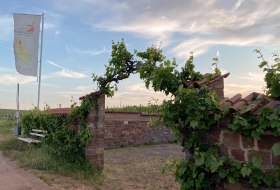
The so-called "Mistkaut" between Nierstein and Nackenheim in the midst of the vineyards on the "Rote Hang" is directly located on the "RheinTerrassenWeg" and the "Butttenmännie-Wanderweg". This relic of earlier times in agriculture and viticulture was previously used as a storage place for manure. Today, wine tastings and celebrations take place there. Its name comes from a rock niche (Kaut) in the Rotliegend. This was formed by the extraction of gravel (Kummer), which was used as fertilizer. Due to its high potassium content, the…
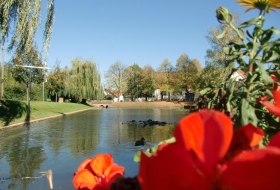
The old village pond in Mörstadt - the Woog, with its ancient tree population, is today an idyllic place for local recreation.
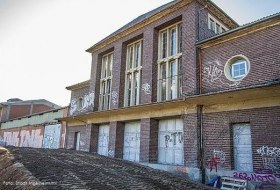
The market hall, built from 1920 to 1921 predominantly in dressed red sandstone near the train station, is considered an important functional building of the early 20th century, which still has a significant impact on the local landscape due to its location and size.

The Wine Village Museum in Horrweiler is located in the old centre of the village, opposite the "Alte Kelter". Interested visitors can gain a comprehensive insight into village life in past centuries. In the entrance area, the imposing striking mechanism of the Horrweiler tower clock can be marvelled at and is a particular attraction for those interested in technology. A large part of the exhibition is dedicated to winegrowing from bygone times with various tools. On the upper floor, we immerse ourselves in the classroom from earlier times;…
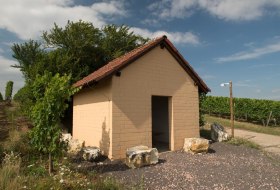
The Wineyard-House "Schindegaul" is a small refuge which, like many others of its kind, offers shelter or a dry shelter to winegrowers, but also to hikers or cyclists in bad weather.

An overview of the world of wine The prosperity of the town has always been linked to wine. Even today, Oppenheim vineyards such as Sackträger, Krötenbrunnen, and Herrenberg enjoy an excellent reputation among wine connoisseurs from all over the world. At the German Wine Museum, you can experience the tradition of winegrowing up close: in addition to informative insights into winegrowing in Rheinhessen, you can expect exciting insights into Germany's wine-growing regions, wine production, and the enjoyment of wine. The museum…
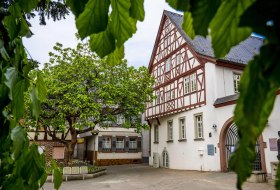
The museum offers insights into the life of the author who was born in Bingen in 1868. You can also see his writing desk, part of his bequest libary, examples of different book designs and editions as well as foreign language translations of George´s works and several sculptures.

Water House Built in 1905 in the Art Nouveau style for the water supply of Westhofen. In the 1960s, the pressure was no longer sufficient, and it was decommissioned. History and Stories Prominently visible, the water house from 1905, built in the Art Nouveau style, reflects the self-understanding of that era. Wilhelm II aspired to great power, rearmed, annexed land overseas, and constructed. The buildings always represented the thoughts of their respective time and their rulers; so does our water house,…